
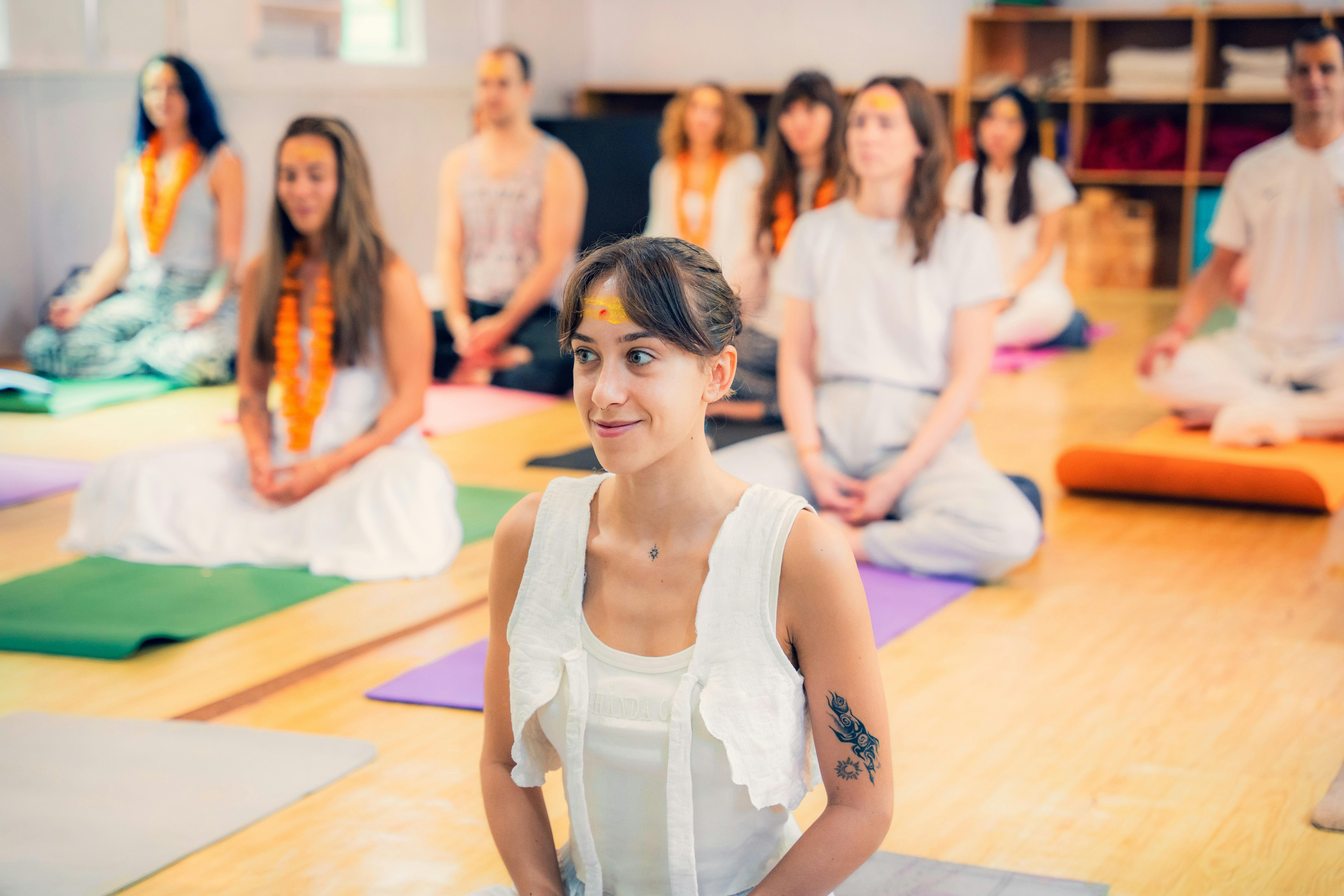
Discover how cutting-edge AI-powered meditation apps and advanced neurofeedback devices are revolutionizing stress relief, focus, and mental clarity in 2026. Explore personalized solutions to anxiety, sleep issues, and cognitive enhancement, and compare the top tech for your ultimate mental wellness journey. Find your perfect meditation partner for a sharper mind and calmer life.
Introduction to the Topic
In the rapidly evolving landscape of mental wellness, traditional meditation practices are being supercharged by groundbreaking technology. Welcome to 2026, where your journey to inner peace, heightened focus, and profound stress relief is no longer a one-size-fits-all endeavor. The future of mindfulness is here, driven by artificial intelligence (AI) and sophisticated neurofeedback devices that promise an unprecedented level of personalization and efficacy. For years, meditation has been lauded for its myriad benefits, from reducing anxiety and improving sleep to boosting cognitive function. However, the challenge for many has been consistency, finding the right technique, and truly understanding their unique mental state. Generic guided meditations, while helpful, often fall short of addressing individual needs with precision. This is where the new wave of meditation technology steps in, offering bespoke experiences tailored to your brainwaves, your mood, and your specific goals. This article will dive deep into how these innovations are transforming the practice of meditation, helping you navigate the exciting options available to cultivate a truly meaningful and optimized mental wellness routine.
Backgrounds & Facts
The imperative for effective mental wellness solutions has never been greater. The World Health Organization reported a staggering 25% increase in anxiety and depression worldwide during the early 2020s, a trend that, while slightly stabilized, continues to underscore a global mental health crisis. Stress, burnout, and cognitive overload are pervasive issues impacting productivity, relationships, and overall quality of life. Traditional meditation and mindfulness practices have been scientifically validated to mitigate these challenges. Studies published in journals like JAMA Internal Medicine and Psychological Bulletin consistently demonstrate meditation's ability to alter brain structure and function, leading to improved emotional regulation, reduced rumination, and enhanced attention. However, the path to consistent practice can be daunting. Many beginners struggle with maintaining focus, finding the 'right way' to meditate, or even knowing which meditation style (Vipassana, Transcendental, Zazen, etc.) best suits their personality and goals.
Enter the technological revolution in mental health. By 2026, advancements in AI and biometric sensing have reached a critical mass, allowing for the development of sophisticated tools that overcome these traditional barriers. AI algorithms can now analyze vast datasets, including user input, historical meditation patterns, and even real-time physiological responses, to create highly personalized meditation programs. Neurofeedback devices, once confined to clinical settings, are now consumer-friendly wearables that provide immediate, actionable insights into your brain activity. These devices detect brainwave patterns (alpha for relaxation, theta for deep meditation, beta for active concentration) and provide real-time audio or visual cues to guide you into desired states. This isn't just about passive listening; it's about active, data-driven brain training. The market for digital mental health solutions is projected to exceed $10 billion by the end of the decade, with meditation technology being a significant growth driver, reflecting a clear demand for more effective, accessible, and personalized approaches to mental well-being.
Expert Opinion / Analysis
“The integration of AI and neurofeedback into meditation isn't just an incremental improvement; it's a paradigm shift,” explains Dr. Elena Petrova, a leading neuroscientist and founder of the MindTech Institute, specializing in cognitive enhancement. “For centuries, meditation has been an art, often requiring years of dedicated practice under a guru to achieve profound states. Now, technology is democratizing this process, making deep meditative states more accessible and measurable for the average person.”
Dr. Petrova emphasizes the dual power of these technologies. “AI excels at personalization. Imagine an app that learns your stress triggers from your daily inputs, recognizes patterns in your sleep data from your smartwatch, and then dynamically adjusts your meditation session – perhaps recommending a grounding body scan when it detects high beta waves associated with anxiety, or a focus-building breath exercise when your attention flags. It’s like having a personal meditation guru who knows your brain better than you do.”
Regarding neurofeedback, she adds, “The real-time feedback is invaluable. When a device tells you, through a subtle sound or visual cue, that you’ve successfully shifted into an alpha wave state, it provides immediate reinforcement. This biofeedback loop accelerates learning, helping users quickly understand what it 'feels like' to be in a meditative state, making the practice far more effective and less frustrating than traditional methods. We’re seeing users achieve meditative depths in weeks that might have taken months or even years previously.”
However, Dr. Petrova also offers a word of caution. “While powerful, these tools should augment, not replace, the fundamental understanding of mindfulness. It’s crucial to select solutions that prioritize ethical AI, data privacy, and are transparent about their scientific backing. The goal isn't to become dependent on a device, but to use it as a sophisticated trainer that eventually empowers you to achieve these states independently. Think of it as advanced training wheels for your mind.” She advises looking for platforms that integrate educational content, foster a sense of community, and offer human support alongside their tech-driven features to ensure a holistic approach to mental well-being.
💰 Best Options in Comparison (VERY IMPORTANT)
Navigating the burgeoning market of AI-powered meditation apps and neurofeedback devices can be overwhelming. To help you make an informed decision and invest in your mental well-being, we’ve meticulously compared the leading options for 2026, focusing on personalization, efficacy, user experience, and value.
- MindFlow AI Pro: The Adaptive Digital Guru
MindFlow AI Pro stands out as the premier AI-driven meditation platform. Leveraging advanced machine learning, it offers truly dynamic, personalized meditation sessions that adapt in real-time based on your mood, stress levels (derived from in-app journaling, biometric integrations like heart rate variability, and even voice analysis), and daily goals. Its 'Cognitive Boost' modules are particularly popular for enhancing focus and productivity. - ZenWave Neuro: Your Brainwave Training Companion
ZenWave Neuro is a sleek, comfortable headband that provides real-time neurofeedback. It measures your brainwave activity and uses adaptive soundscapes and haptic feedback to guide you into specific mental states – whether you're aiming for deep relaxation (alpha/theta waves), heightened focus (gamma waves), or restorative sleep (delta waves). It integrates seamlessly with a companion app that tracks your progress and offers personalized training programs. - AuraSync VR Immersion: The Ultimate Escape & Reset
For those seeking a truly immersive experience, AuraSync VR offers a groundbreaking blend of virtual reality and biometric feedback. Using a lightweight VR headset and integrated sensors (EEG, GSR, heart rate), it transports you to breathtaking virtual environments (e.g., serene Japanese gardens, cosmic nebulae) while guiding your meditation. The system adapts the visual and auditory landscape based on your physiological responses, creating a uniquely powerful and engaging experience for stress reduction and deep relaxation.
To further assist your decision, here’s a detailed comparison table:
| Feature | MindFlow AI Pro | ZenWave Neuro | AuraSync VR Immersion |
|---|---|---|---|
| Core Technology | AI-driven adaptive algorithms, biometric integration (HRV, mood tracking) | EEG Neurofeedback (brainwave sensing), biofeedback | VR Immersion, EEG, GSR, Heart Rate Biometrics |
| Personalization Level | High: Dynamic session adaptation based on real-time data & goals | High: Direct brainwave guidance & progress tracking | Very High: Immersive environment adapts to physiological state |
| Primary Benefit | Customized stress reduction, focus, emotional regulation | Accelerated brain training for specific mental states (relaxation, focus, sleep) | Deep relaxation, escapism, profound immersive meditative states |
| Ease of Use | Excellent (App-based, intuitive interface) | Good (Wearable device, requires initial setup) | Moderate (VR headset, requires dedicated space) |
| Cost (Approx. 2026) | Subscription: $19.99/month or $199/year | Device: $349 + Subscription: $14.99/month | Device: $699 + Subscription: $24.99/month |
| Target User | Anyone seeking personalized meditation, busy professionals | Users serious about brain training, optimizing specific states | Tech enthusiasts, those struggling with traditional meditation, seeking deep immersion |
| Unique Selling Point | Unparalleled AI-driven adaptive learning and program customization. | Direct, real-time brainwave feedback for rapid skill acquisition. | Fully immersive, multi-sensory, and adaptive virtual meditation environments. |
When choosing, consider your budget, your desire for active brain training versus passive guidance, and how immersive an experience you prefer. Many platforms offer free trials, so exploring a few options before committing is always recommended.
Outlook & Trends
The future of meditation technology in 2026 and beyond promises even more sophisticated integrations and personalized experiences. We anticipate a surge in seamless integration with smart home ecosystems, allowing your environment to subtly shift (lighting, temperature, ambient sound) to support your meditative state. Wearable technology will become even more discrete and powerful, potentially integrated into everyday items like smart glasses or jewelry, offering continuous biometric monitoring and proactive meditation suggestions.
Expect to see AI-powered meditation coaches evolve beyond apps to holographic or conversational AI companions that engage you in dialogue, understand your emotional nuances, and provide real-time cognitive behavioral therapy (CBT) elements alongside mindfulness practices. The convergence of genomics and meditation is also on the horizon, where DNA analysis could inform even more precise recommendations for meditation types and techniques best suited to an individual's genetic predispositions for stress response or cognitive function.
Furthermore, corporate wellness programs are rapidly adopting these advanced tools, recognizing the profound impact of employee mental health on productivity and retention. We'll see more companies offering subscriptions to premium AI meditation apps or providing neurofeedback devices as part of their benefits packages. Ethical considerations, data privacy, and the responsible use of these powerful technologies will remain paramount, driving innovation towards user-centric and transparent solutions. The goal isn't to replace human connection or the essence of mindfulness, but to amplify its accessibility and effectiveness for a global population in urgent need of mental resilience.
Conclusion
The year 2026 marks a pivotal moment in the journey of mental wellness, where the ancient practice of meditation is dramatically enhanced by cutting-edge AI and neurofeedback technology. No longer a niche practice, personalized meditation is becoming an accessible and highly effective tool for managing stress, reducing anxiety, improving sleep, and boosting cognitive performance. Whether you're a seasoned meditator looking for an edge or a beginner struggling to find your footing, these innovations offer tailored pathways to inner peace and mental clarity.
By understanding your unique brain and mind, tools like MindFlow AI Pro, ZenWave Neuro, and AuraSync VR Immersion empower you to take control of your mental landscape with precision and efficacy never before possible. The decision to invest in these technologies is an investment in yourself – your focus, your calm, and your overall quality of life. Explore the options, embrace the future, and discover how personalized meditation can unlock your brain's full potential, helping you find deeper meaning and well-being in an increasingly complex world. Your journey to a sharper mind and a calmer spirit starts now.