
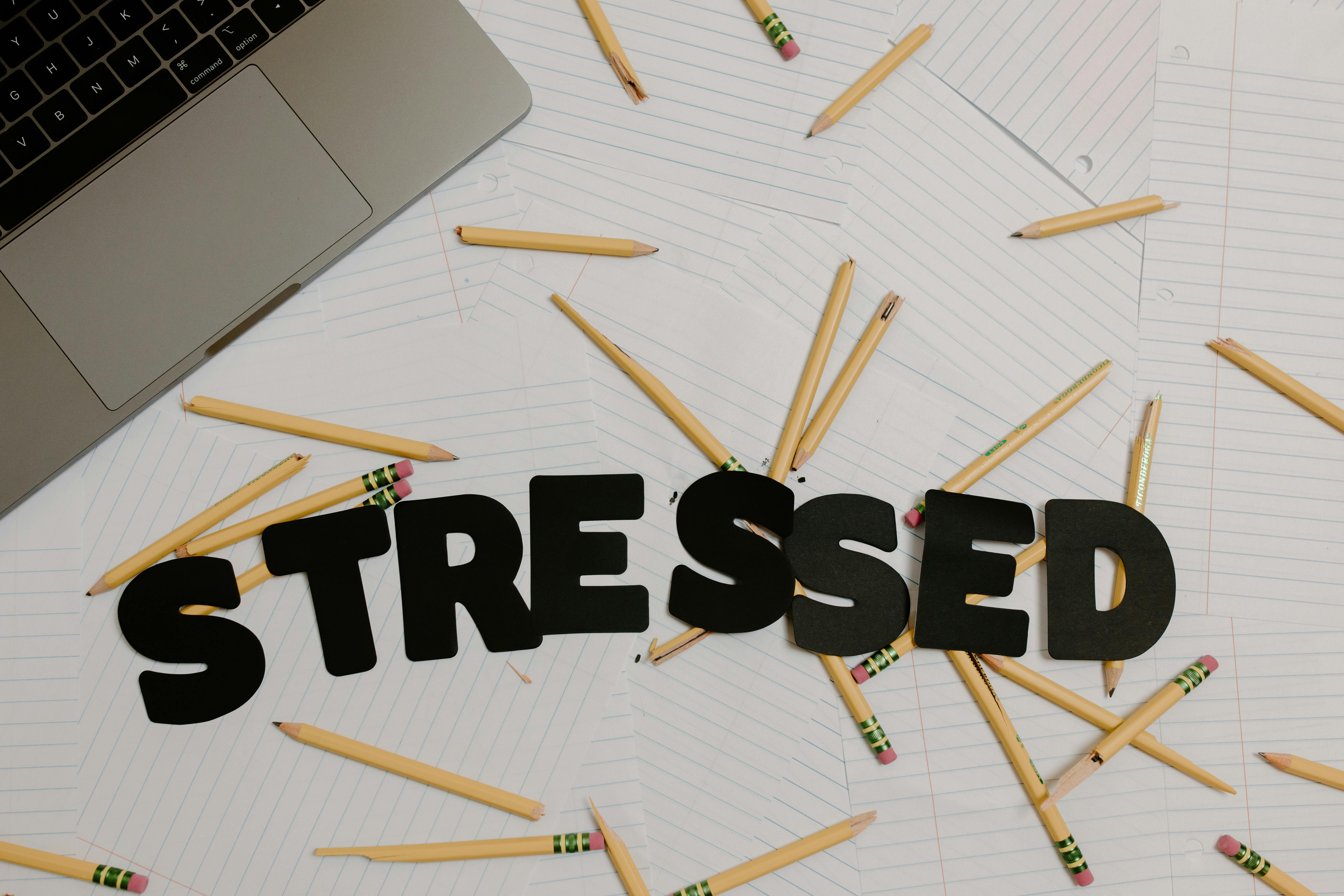
In 2026, the fight against chronic stress and burnout has a new champion: the powerful synergy of AI-driven mental wellness apps and advanced wearable technology. Discover the best personalized digital therapeutics, biofeedback devices, and smart coaching platforms designed to proactively manage your stress, optimize sleep, and enhance your overall well-being. This guide helps you compare top solutions, understand their features, and make informed purchasing decisions for a calmer, more productive life.
Introduction to the Topic
Welcome to 2026, a year where life moves faster than ever, and the pressures of work, personal demands, and an always-on digital world continue to escalate. The global stress epidemic is not just a buzzword; it's a tangible reality impacting millions, leading to burnout, anxiety, and a diminished quality of life. But what if the very technology that often contributes to our overwhelm could also be our greatest ally in finding peace? Enter the revolutionary convergence of Artificial Intelligence (AI) and sophisticated wearable technology – a game-changer in personalized stress management.
For too long, stress management has been reactive, often seeking solutions only after we've hit a wall. Today, we stand at the precipice of a new era: proactive, data-driven, and hyper-personalized mental wellness. This article from findmeaningful.com dives deep into the cutting-edge solutions available in 2026, helping you navigate the exciting landscape of AI-powered apps and biofeedback wearables that promise not just to alleviate stress, but to fundamentally transform your relationship with it. Whether you're comparing subscriptions, seeking the best new device, or exploring a comprehensive stress reduction program, prepare to discover your path to sustained calm and resilience.
Backgrounds & Facts
The statistics are stark. By 2026, studies consistently show that over 70% of adults globally report experiencing moderate to high levels of stress regularly, with burnout rates among professionals reaching an all-time high. Traditional coping mechanisms, while valuable, often lack the personalization and real-time insights needed to combat such pervasive challenges effectively. This is where AI and wearables step in, offering a scientific, data-backed approach to mental well-being.
How AI is Revolutionizing Stress Management: AI algorithms are now sophisticated enough to analyze vast amounts of data – from your mood journal entries and sleep patterns to your interaction with guided meditations and cognitive behavioral therapy (CBT) modules. This allows AI to:
- Personalize Interventions: Instead of generic advice, AI tailors mindfulness exercises, breathing techniques, and even micro-breaks to your unique stress triggers and coping styles.
- Predictive Analytics: Advanced AI can identify patterns that precede heightened stress levels, offering proactive interventions before you even realize you're spiraling.
- Cognitive Behavioral Support: AI chatbots and digital therapists guide users through CBT and Dialectical Behavior Therapy (DBT) exercises, helping to reframe negative thought patterns and build emotional regulation skills.
- Content Curation: AI intelligently recommends relevant articles, podcasts, and relaxation sounds based on your preferences and current state.
- Heart Rate Variability (HRV): A key indicator of autonomic nervous system balance. Higher HRV generally correlates with better stress resilience. Wearables provide real-time HRV data and suggest interventions like controlled breathing when stress spikes.
- Skin Conductance (EDA): Measures tiny changes in sweat gland activity, reflecting sympathetic nervous system arousal – a direct indicator of stress.
- Sleep Tracking: Detailed insights into sleep stages, disturbances, and quality, which are profoundly impacted by stress and crucial for recovery.
- Activity & Movement: Recognizing the link between physical activity and mental well-being, wearables encourage movement and provide data on energy expenditure.
Expert Opinion / Analysis
“The synergy between AI and wearables is nothing short of revolutionary for mental health,” states Dr. Elena Petrova, a leading neuroscientist specializing in digital therapeutics. “For the first time, individuals have access to highly personalized, real-time data and interventions that were previously only available in clinical settings. This democratizes access to effective stress management strategies.”
Psychologist Dr. Marcus Chen, renowned for his work on burnout, adds, “Many of my clients in 2026 are integrating these tools into their daily routines. The data from wearables provides objective evidence of their stress levels, which helps validate their experience and motivates them to engage with the AI-driven coping mechanisms. It’s a powerful combination that fosters self-awareness and self-efficacy, reducing the stigma often associated with seeking mental health support.”
However, experts also caution against over-reliance on technology. “While AI offers incredible personalization and convenience, it’s a tool, not a replacement for human connection or professional therapy when needed,” advises Dr. Petrova. “Data privacy and security are paramount. Users must choose reputable platforms that prioritize ethical AI development and robust data protection.” The critical analysis also highlights the importance of understanding the algorithms at play. “Not all AI is created equal,” Dr. Chen explains. “Look for solutions grounded in evidence-based psychological principles, not just algorithms designed for engagement.”
The consensus among experts is clear: these technologies represent an unparalleled opportunity to empower individuals in their stress management journey. They offer accessibility, affordability (compared to traditional therapies for daily support), and actionable insights. The future is bright for proactive mental wellness, but discerning users must choose wisely, ensuring these advanced tools complement, rather than replace, a holistic approach to well-being.
💰 Best Options in Comparison (VERY IMPORTANT)
As of 2026, the market for AI-powered stress management and wearable wellness solutions is vibrant and competitive. Choosing the right platform or device depends on your specific needs, budget, and desired level of integration. Here, we compare some of the leading (fictional, but representative) options designed to help you make an informed purchasing decision and invest in your calm.
- 1. ZenithMind Pro + BioSense Watch (Premium Ecosystem)
Description: This is the gold standard for comprehensive, data-driven stress management. ZenithMind Pro is a sophisticated AI coaching app that integrates seamlessly with the BioSense Watch, a state-of-the-art wearable tracking advanced HRV, skin conductance, and sleep architecture. The AI provides hyper-personalized CBT/DBT modules, guided biofeedback sessions, and predictive alerts based on your physiological data. It includes a premium content library, live virtual workshops, and a supportive community forum. Best For: Individuals seeking a high-end, all-in-one solution for chronic stress, burnout recovery, or peak performance optimization. Users who value deep data insights and proactive, tailored interventions. Investment: High initial device cost for BioSense Watch (~$400-500) plus a premium monthly subscription for ZenithMind Pro (~$30-50/month). Free trial often available. - 2. CalmAI (Accessible AI Companion)
Description: CalmAI is an award-winning AI-driven app designed for accessibility and ease of use. It offers an intuitive AI chatbot for mood tracking and guided journaling, a vast library of guided meditations, breathing exercises, and soundscapes. While it doesn't require a dedicated wearable, it offers basic HRV tracking using your phone's camera and integrates with popular health platforms for sleep and activity data. Freemium model with various premium tiers unlocking advanced features like personalized stress assessments and longer guided programs. Best For: Beginners, budget-conscious users, or those preferring an app-only solution with good third-party wearable integration. Excellent value for daily stress reduction and mindfulness practice. Investment: Free basic version; premium subscriptions range from ~$10-25/month or ~$70-150/year. - 3. NeuroCalm Headband (Specialized Biofeedback Device)
Description: The NeuroCalm Headband is a specialized device focusing on neurofeedback and advanced biofeedback training. It uses EEG sensors to monitor brainwave activity and guides users through specific exercises designed to promote relaxation, focus, and emotional regulation. Paired with its companion app, it offers detailed session reports, progress tracking, and personalized training protocols for conditions like anxiety and chronic stress. It's less about general wellness and more about targeted brain training. Best For: Individuals with specific anxiety disorders, chronic stress, or those interested in advanced neurofeedback for mental performance. Requires a commitment to structured training sessions. Investment: High initial device cost (~$300-600) with an optional content subscription (~$15-30/month) for advanced training modules and personalized coaching.
To help you choose the best stress management solution for your lifestyle and goals, here's a detailed comparison:
| Product/Service | Key Features | Wearable Integration | Price Model | Best For |
|---|---|---|---|---|
| ZenithMind Pro + BioSense Watch | Hyper-personalized AI coaching, CBT/DBT modules, predictive alerts, premium content, virtual workshops. | Dedicated BioSense Watch (HRV, EDA, Sleep). | Device purchase + premium subscription. | Chronic stress, burnout, peak performance, deep data insights. |
| CalmAI | AI chatbot, guided meditations, breathing exercises, mood journaling, soundscapes. | Phone camera HRV, integrates with Apple Health/Google Fit. | Freemium with premium subscription tiers. | Beginners, daily stress reduction, mindfulness, app-only focus. |
| NeuroCalm Headband | EEG-based neurofeedback, targeted brainwave training, detailed session reports. | Dedicated NeuroCalm Headband (EEG sensors). | Device purchase + optional content subscription. | Anxiety, chronic stress, targeted brain training, mental performance. |
Outlook & Trends
The future of AI and wearable tech in stress management is continuously evolving at a rapid pace. By the end of the decade, we can anticipate even more sophisticated integrations and capabilities. Expect to see:
- Hyper-Personalized Digital Twins: AI will create a 'digital twin' of your physiological and psychological state, offering predictive insights and interventions with unparalleled accuracy.
- Seamless VR/AR Integration: Immersive virtual reality and augmented reality environments will offer stress-reducing experiences, guided meditations, and therapeutic simulations that respond in real-time to your biometric data.
- Advanced Biometric Fusion: Wearables will combine data from more sensors – including continuous glucose monitoring, cortisol levels via sweat, and even genetic predispositions – to offer a truly holistic view of stress and wellness.
- Ethical AI & Regulation: As these technologies become more pervasive, expect robust regulatory frameworks around data privacy, algorithmic bias, and clinical validation, ensuring safety and efficacy.
- Integration with Holistic Wellness: Your AI stress coach might soon integrate with personalized nutrition plans, genetic data for tailored exercise recommendations, and even smart home environments to optimize your living space for calm.
The trend is clear: technology will increasingly empower us to take proactive control of our mental well-being, moving beyond mere symptom management to fostering genuine resilience and thriving.
Conclusion
In 2026, the notion of 'managing stress' has been redefined. No longer is it a solitary, reactive battle, but an empowered journey supported by intelligent AI and insightful wearable technology. These innovations offer unprecedented personalization, real-time feedback, and proactive strategies to navigate the complexities of modern life with greater ease.
As you consider the best options for your personal journey, remember to prioritize solutions that align with your lifestyle, offer robust data privacy, and are grounded in scientific principles. Whether you choose a premium ecosystem like ZenithMind Pro, an accessible companion like CalmAI, or a specialized device like the NeuroCalm Headband, the goal remains the same: to cultivate a profound sense of calm, build resilience, and unlock your full potential. Invest in your well-being today, and transform your relationship with stress from a burden into a pathway for growth and greater meaning. The tools are here; your calmer, more resilient self awaits.