
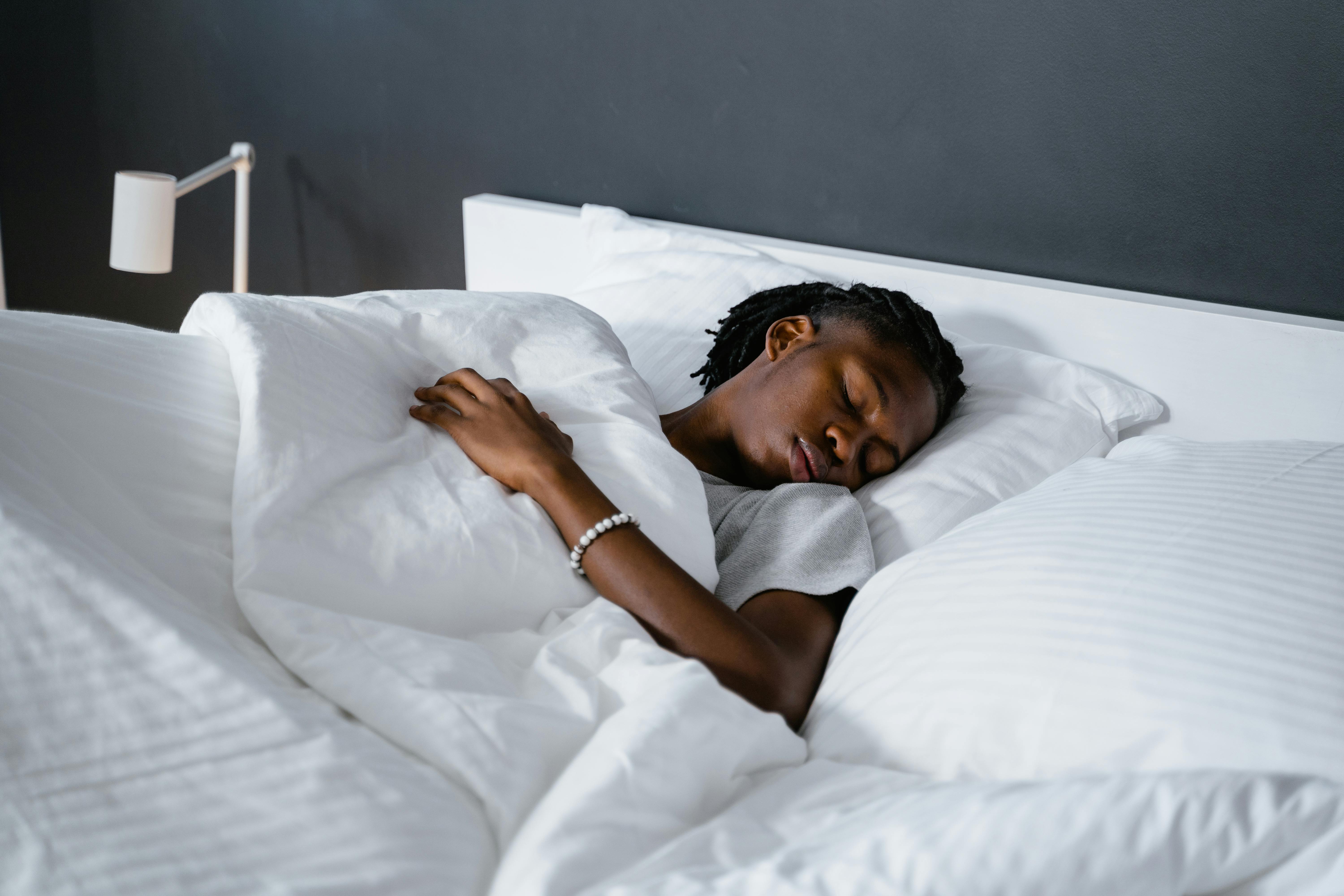
Tired of tossing and turning? Discover how cutting-edge AI sleep technology, smart mattresses, and personalized sleep solutions are revolutionizing rest in 2026. Dive into expert insights, compare the best sleep optimization devices, and find out where to buy the ultimate tools for deep, restorative sleep that boosts your energy and well-being. Your best night's sleep is no longer a dream – it's here.
Introduction to the Topic
In an age where every aspect of our lives is becoming more personalized, data-driven, and optimized, it was only a matter of time before our most fundamental need – sleep – caught up. Welcome to 2026, the year of the hyper-personalized sleep revolution. For decades, the advice for a good night's rest remained largely generic: 'sleep in a dark room,' 'avoid caffeine before bed,' 'stick to a schedule.' While foundational, these broad strokes often failed to address the intricate, unique biological rhythms and environmental needs of each individual. The result? A global sleep crisis, characterized by chronic fatigue, reduced productivity, and a myriad of health issues.
But times have changed. Thanks to exponential advancements in Artificial Intelligence (AI), biofeedback sensors, and smart home integration, achieving truly restorative sleep is no longer a one-size-fits-all endeavor. We are now entering an era where your bed knows more about your sleep than you do, your wearable device acts as a personal sleep coach, and your bedroom environment dynamically adjusts to optimize every single minute of your rest. This article will guide you through the groundbreaking technologies making this possible, help you navigate the burgeoning market of smart sleep solutions, and empower you to invest in the ultimate upgrade for your health: truly personalized sleep.
Backgrounds & Facts
The statistics on sleep deprivation have long been alarming. By 2026, studies consistently show that over 60% of adults in developed nations report insufficient or poor-quality sleep on a regular basis. This isn't just about feeling tired; it translates to billions lost in productivity, increased healthcare costs, and a significant detriment to mental and physical well-being. Traditional sleep aids, from pharmaceutical options to weighted blankets, offered symptomatic relief but rarely addressed the root causes or provided a sustainable, adaptive solution.
The turning point arrived with the convergence of several key technological pillars: miniaturized, highly accurate biometric sensors, powerful AI algorithms capable of processing vast datasets, and the widespread adoption of the Internet of Things (IoT). Early sleep trackers laid the groundwork, but they were often limited to basic metrics like duration and movement. Fast forward to 2026, and modern sleep tech goes far beyond. Devices can now precisely track heart rate variability (HRV), blood oxygen saturation, respiratory rate, micro-awakenings, sleep stages (REM, light, deep), and even environmental factors like temperature, humidity, and air quality. Crucially, AI takes this raw data and transforms it into actionable, personalized insights and real-time environmental adjustments, creating a dynamic feedback loop that continuously optimizes your sleep experience.
The market for sleep technology has exploded, projected to exceed $50 billion globally by the end of the decade. This growth is fueled by consumer demand for effective, non-invasive solutions and a growing understanding of sleep's critical role in overall health. From smart mattresses that learn your body's needs to sophisticated wearables that offer predictive sleep coaching, the options are more diverse and effective than ever before.
Expert Opinion / Analysis
“The shift we're seeing in 2026 isn't just about tracking sleep; it's about actively engineering it,” explains Dr. Evelyn Reed, a leading neuroscientist specializing in chronobiology at the Global Sleep Institute. “For too long, we treated sleep as a passive state. Now, with AI, we can understand the incredibly complex interplay between an individual's physiology, their daily activities, and their environment. The AI isn't just telling you what happened; it's predicting what you need and making real-time adjustments.”
Dr. Reed emphasizes the importance of bio-adaptive technology. “Consider a smart mattress that not only senses your pressure points but also anticipates shifts in your sleep stages. As you enter deep sleep, it might subtly adjust its firmness to optimize spinal alignment, or gently lower its temperature to facilitate deeper REM cycles. This level of responsiveness was unimaginable even five years ago.”
Tech innovator and founder of Somnus AI Solutions, Marcus Thorne, adds, “The real power lies in the integration. It's not just a smart bed or a smart light; it's an entire ecosystem working in harmony. Your wearable detects an elevated stress response during the day, and by evening, your sleep system is already preparing a more calming soundscape and a slightly cooler temperature profile to mitigate potential sleep disturbances. This predictive and proactive approach is what truly defines personalized sleep in 2026.” Thorne also points to the rise of AI-driven sleep coaching platforms, which combine biometric data with cognitive behavioral therapy for insomnia (CBT-I) principles, offering accessible and highly effective therapeutic interventions without requiring in-person consultations.
💰 Best Options in Comparison (VERY IMPORTANT)
Navigating the vast landscape of 2026's sleep technology can be daunting. To help you make informed purchasing decisions, we’ve identified the leading categories and standout options that promise to deliver the best return on your investment in restorative sleep.
1. The Lumina AI Sleep System (Smart Mattresses)
Considered the gold standard in dynamic sleep surfaces, the Lumina AI Sleep System features multi-zone pressure sensors and an integrated AI core that continuously learns your unique sleep patterns. It dynamically adjusts firmness, lumbar support, and temperature zones in real-time, responding to your movements and sleep stages. Paired with a companion app, it offers daily sleep scores, personalized recommendations, and even integrates with smart home climate controls. Ideal for those seeking ultimate comfort and active sleep optimization.
2. Chronos Bio-Tracker Pro (Advanced Wearables)
More than just a fitness tracker, the Chronos Bio-Tracker Pro is a powerful sleep diagnostic tool worn discreetly on your wrist or finger. By 2026, its optical sensors and advanced algorithms provide unparalleled accuracy in tracking HRV, blood oxygen saturation, skin temperature, and sleep stage transitions. Its accompanying AI-powered coaching app offers predictive analytics, alerting you to potential sleep issues before they manifest and providing personalized interventions, from guided meditations to light therapy recommendations. Perfect for data enthusiasts and those seeking proactive health insights.
3. DreamScape Home Hub (Smart Bedroom Ecosystems)
The DreamScape Home Hub is not a single product but an integrated system that orchestrates your entire bedroom environment for optimal sleep. It includes adaptive smart lighting that mimics natural dawn/dusk cycles, a smart sound machine with AI-generated therapeutic soundscapes, and an advanced air quality monitor with integrated humidifier/purifier. All components communicate seamlessly, adjusting based on your sleep schedule, biometric data from your wearable, and external environmental factors. Best for creating a truly immersive and optimized sleep sanctuary.
4. Somnus Digital Clinic (Professional Sleep Coaching & Telehealth)
For those needing more targeted intervention, the Somnus Digital Clinic offers AI-augmented professional sleep coaching. Through its secure platform, users receive personalized CBT-I programs, direct access to certified sleep specialists via video consultations, and continuous monitoring of their sleep data (integrating with your existing smart devices). The AI assists coaches in identifying patterns and tailoring interventions, making professional help more accessible and effective than ever. An excellent choice for individuals struggling with chronic insomnia or complex sleep disorders.
| Feature Category | Lumina AI Sleep System | Chronos Bio-Tracker Pro | DreamScape Home Hub | Somnus Digital Clinic |
|---|---|---|---|---|
| Primary Function | Dynamic Mattress Adjustment | Advanced Biometric Tracking & Coaching | Environmental Optimization | Personalized Therapeutic Coaching |
| Key Technology | AI-driven pressure/temp sensors | Optical HR/SpO2/HRV sensors, AI algorithms | Smart lighting, sound, air quality sensors | AI-assisted CBT-I, Telehealth platform |
| Data Tracking | Sleep stages, movements, temperature | HRV, SpO2, sleep stages, micro-awakenings | Light exposure, sound levels, air quality | Sleep diary, biometric data integration |
| Personalization | Real-time firmness & temp adjustments | Predictive coaching, tailored interventions | Adaptive lighting/soundscapes, climate control | Custom CBT-I plans, specialist guidance |
| Price Range (2026 est.) | $3,000 - $8,000+ | $300 - $600 | $500 - $2,500 (modular) | $100 - $500/month (subscription) |
| Ideal User | Premium comfort seekers, active sleepers | Health data enthusiasts, proactive wellness | Holistic sleep optimizers, smart home users | Chronic insomnia, sleep disorder concerns |
Outlook & Trends
The personalized sleep revolution is just beginning. Looking ahead, we can anticipate even more profound integrations and innovations. By the end of the decade, expect to see the widespread adoption of predictive health analytics that go beyond sleep, using your nightly data to forecast potential illness or optimize your daily nutrition and exercise regimens. Brain-computer interfaces (BCIs), currently in nascent stages, may evolve to directly modulate brainwave activity for enhanced deep sleep or lucid dreaming, though ethical considerations will be paramount.
Furthermore, genetic-based sleep optimization will become a reality. Imagine a sleep system that understands your unique genetic predispositions to caffeine sensitivity, circadian rhythm variations, or melatonin production, and then tailors your entire sleep environment and routine accordingly. The line between sleep tech and general health tech will blur, creating comprehensive, 'always-on' wellness platforms. Sleep tourism, already a niche, will expand with luxury resorts offering medically supervised, AI-optimized sleep retreats, combining cutting-edge tech with serene environments for ultimate rejuvenation. The future of sleep is not just about resting, but about unlocking our full human potential through truly optimized restoration.
Conclusion
The year 2026 marks a pivotal moment in our understanding and approach to sleep. No longer a passive necessity, sleep has become an active frontier for technological innovation, driven by AI and a deep commitment to personalization. The days of generic advice are behind us; the era of data-driven, bio-adaptive sleep is here. Whether you're considering a smart mattress to cradle you into perfect rest, a sophisticated wearable to unlock your body's sleep secrets, an integrated smart bedroom to create your ultimate sanctuary, or professional coaching to overcome persistent challenges, the options for achieving truly restorative sleep are more powerful and accessible than ever before.
Investing in personalized sleep technology isn't just about buying a gadget; it's about investing in your health, your energy, and your overall quality of life. Explore the options, compare the features, and take the definitive step towards unlocking your ultimate night's rest. Your future self, energized and thriving, will thank you.