
Discover how Artificial Intelligence and Virtual Reality are transforming yoga in 2026. This comprehensive guide explores personalized AI yoga apps, immersive VR yoga platforms, and smart wellness tech designed to optimize your practice, enhance mindfulness, and boost mental well-being. Compare the best options to find your perfect digital dharma and elevate your home yoga studio.
Introduction to the Topic
The year 2026 marks a pivotal moment in the wellness industry, particularly within the ancient practice of yoga. Gone are the days of one-size-fits-all instruction. We stand at the precipice of a new era where technology, specifically Artificial Intelligence (AI) and Virtual Reality (VR), isn't just augmenting our yoga practice – it's fundamentally reshaping it. For enthusiasts and newcomers alike, the promise of a truly personalized, deeply immersive, and highly effective yoga journey is no longer a futuristic dream; it's today's reality. At findmeaningful.com, we've witnessed this seismic shift, and we're here to guide you through the groundbreaking innovations that are making yoga more accessible, precise, and profoundly meaningful than ever before. If you're looking to optimize your wellness routine, deepen your practice, or simply find your zen in a world that never stops, understanding the AI and VR yoga revolution is your first step.
Backgrounds & Facts
For centuries, yoga has been a beacon of physical and mental well-being, evolving from ancient traditions to modern studio practices. The digital age brought online classes and streaming platforms, making yoga accessible from anywhere. However, 2026 presents a paradigm shift. The integration of advanced AI and sophisticated VR technology addresses the limitations of traditional digital yoga – the lack of personalized feedback and truly immersive environments.
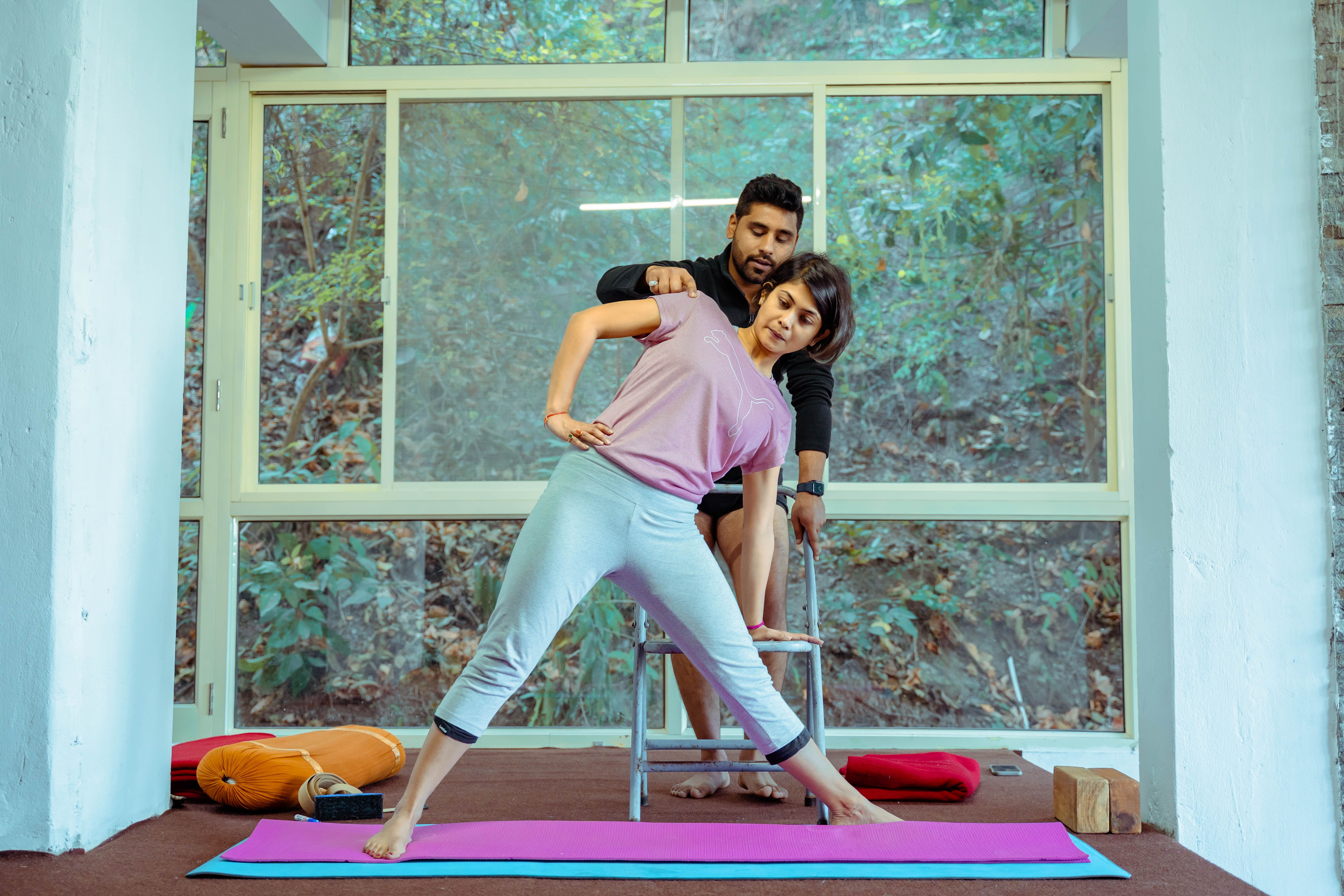
AI's role in yoga is multifaceted. Imagine a smart yoga mat or an AI-powered app that tracks your posture in real-time, offering instant, corrective feedback just like a private instructor. Leveraging computer vision and machine learning algorithms, these systems analyze your body's alignment, suggesting modifications tailored to your flexibility, strength, and even mood. This data-driven approach means your practice evolves with you, preventing injuries, accelerating progress, and ensuring every session is optimally effective. Beyond alignment, AI can curate entire sequences based on your goals – whether it's stress reduction, strength building, or improving sleep – drawing from vast libraries of poses and class styles.
Virtual Reality, on the other hand, revolutionizes the environment in which you practice. Forget the cluttered living room; with a lightweight, high-resolution VR headset, you can instantly transport yourself to a serene beach at sunrise, a tranquil mountain retreat, or a futuristic digital oasis. VR yoga platforms combine stunning visual landscapes with guided practices, often featuring realistic avatars of instructors. The immersive nature of VR significantly enhances focus and reduces distractions, fostering a deeper sense of presence and mindfulness. Haptic feedback gloves, still emerging in 2026, even promise tactile sensations, making virtual adjustments feel more real. This technology is not just about escapism; it's about creating an optimal mental and sensory space for profound self-exploration and relaxation, making premium yoga experiences accessible to anyone, anywhere.
The convergence of these technologies means that in 2026, your yoga journey can be more personalized, engaging, and effective than ever before. From data-driven insights that refine your poses to breathtaking virtual worlds that calm your mind, AI and VR are democratizing high-quality, tailored yoga experiences, moving beyond the studio walls and into your personal wellness sanctuary.
Expert Opinion / Analysis
"The fusion of AI and VR with yoga isn't just a technological advancement; it's a profound step forward in personalized wellness," states Dr. Anya Sharma, a leading expert in digital therapeutics and mindful technology, and author of "The Conscious Algorithm." "For years, the biggest challenge in home yoga practice was the lack of immediate, expert feedback. AI has solved this. It acts as an infinitely patient, highly knowledgeable personal instructor, observing nuances in your movement that even a human eye might miss in a large class."
Dr. Sharma emphasizes the precision AI brings. "Imagine an AI system that knows your specific musculoskeletal history, your current energy levels, and your long-term goals. It can dynamically adjust a sequence, suggesting deeper stretches where you need them, or gentler modifications when you're fatigued. This isn't just about preventing injury; it's about optimizing every single breath and movement for maximum benefit, whether it's increasing flexibility, building core strength, or cultivating deeper meditative states. It empowers users with agency over their wellness journey, offering data-backed insights into their progress."
Regarding VR, Dr. Sharma highlights its psychological impact. "The power of VR in yoga lies in its ability to create an 'ideal' environment, free from the distractions of daily life. For many, finding a quiet, inspiring space for yoga at home is a constant battle. VR instantly transports you, enhancing focus and allowing for deeper immersion into the practice. This isn't just about pretty scenery; it's about altering your perception, reducing cognitive load, and facilitating a state of flow that's often hard to achieve in a cluttered physical space. Furthermore, for individuals dealing with anxiety or chronic stress, the escapism offered by VR, combined with guided mindfulness, can be incredibly therapeutic."
However, Dr. Sharma also offers a balanced perspective. "While AI and VR offer immense benefits, it's crucial to remember they are tools. They augment, not replace, the human element. The sense of community, the shared energy of a group class, and the nuanced, empathetic guidance of a human teacher still hold immense value. The ideal future is likely a hybrid one – leveraging technology for precision and personalization at home, while still seeking out human connection and diverse perspectives in studio settings or retreats. The key is mindful integration, ensuring technology serves our well-being, rather than becoming another source of distraction or isolation." She advises users to seek platforms that prioritize user privacy and ethical AI development, ensuring their data enhances their practice without compromise.
💰 Best Options in Comparison (VERY IMPORTANT)
Navigating the burgeoning landscape of AI and VR yoga platforms in 2026 can be daunting. To help you make an informed decision and invest in the best tools for your wellness journey, we've identified and compared some of the leading options. These platforms offer diverse features, catering to different needs, budgets, and technological preferences. From AI-powered precision to breathtaking VR immersion, here are our top picks:
- Zenith VR Yoga: The Immersive Escape
Zenith VR Yoga is designed for those seeking ultimate immersion. Compatible with leading VR headsets (Meta Quest 4, Pico Neo 4 Pro), it transports you to stunning, photorealistic environments – from ancient temple gardens to bioluminescent forests. Its AI assistant, "Aura," provides real-time verbal cues and visual overlays within the VR space, guiding your alignment without breaking immersion. Zenith offers hundreds of pre-recorded classes by renowned virtual instructors and live VR group sessions. It's perfect for escaping daily distractions and cultivating deep mindfulness through sensory engagement. - YogaFlow AI Pro: Your Personal AI Guru
YogaFlow AI Pro is a premium app and smart mat ecosystem focused on hyper-personalization. Utilizing advanced computer vision via your device's camera and pressure sensors in its proprietary "FlowMat," it offers unparalleled real-time pose correction and adaptive sequence generation. YogaFlow AI learns your body's capabilities and limitations, dynamically adjusting difficulty and focus areas. It provides detailed post-session analytics, progress tracking, and even integrates with your wearable health data (Apple Watch, Oura Ring) to suggest restorative practices after intense workouts or when sleep quality is low. Ideal for serious practitioners and those prioritizing precise, data-driven improvement. - AuraSync Hybrid Wellness: Blending Worlds
AuraSync offers a unique hybrid approach, combining AI guidance with augmented reality (AR) and optional VR modules. It's accessible via smart TVs, tablets, and AR glasses (like the emerging Ray-Ban Stories Pro). AuraSync's AI tracks your movements, projecting holographic instructors or alignment guides directly onto your physical space (AR mode), or offering full VR immersion. Its strength lies in its diverse content library, including therapeutic yoga, prenatal yoga, and advanced Vinyasa flows, all adaptable by its "Harmony AI." AuraSync is excellent for users who want flexibility between immersive VR, interactive AR, and traditional screen-based guidance, making it a versatile choice for the modern home wellness studio.
To further assist your decision, here's a detailed comparison table:
| Feature | Zenith VR Yoga | YogaFlow AI Pro | AuraSync Hybrid Wellness |
|---|---|---|---|
| Core Technology | Virtual Reality (VR) + AI Cues | AI Computer Vision + Smart Mat | AI + Augmented Reality (AR) / Optional VR |
| Primary Focus | Immersive Environment, Mindfulness | Personalized Feedback, Performance Tracking | Versatile Experience, Diverse Content |
| Required Gear | VR Headset (Meta Quest 4, Pico Neo 4 Pro) | App (iOS/Android) + FlowMat (Proprietary) | Smart TV/Tablet/AR Glasses (Optional VR Headset) |
| Personalization | AI-guided verbal/visual cues, environment customization | Real-time pose correction, adaptive sequences, health data integration | "Harmony AI" for adaptive classes, AR/VR environment choice |
| Content Library | Hundreds of VR classes, live VR sessions | Thousands of AI-generated/curated sequences, specific programs | Extensive library (Vinyasa, Hatha, Restorative, Prenatal, etc.) |
| Subscription (Est. 2026) | $29.99/month or $299/year | $39.99/month or $399/year (includes FlowMat rental option) | $24.99/month or $249/year |
| Best For | Deep immersion, stress relief, escaping distractions, unique sensory experiences. | Serious practitioners, injury prevention, data-driven progress, athletes. | Users wanting flexibility, varied yoga styles, interactive AR, budget-conscious. |
| Unique Feature | Photorealistic virtual retreats, multiplayer VR classes. | Proprietary FlowMat with pressure mapping, predictive injury alerts. | Holographic AR instructors, seamless transition between AR/VR modes. |
Before committing, we highly recommend taking advantage of any free trials offered by these platforms. Consider your primary goals – is it deep relaxation, precise alignment, or a versatile practice? Your choice will significantly impact your journey into the future of yoga.
Outlook & Trends
The trajectory for AI and VR in yoga is steep and exciting. Looking beyond 2026, we anticipate even deeper integration of biofeedback mechanisms. Imagine smart apparel that monitors your heart rate variability, skin conductance, and muscle engagement, feeding this data directly to an AI that can then suggest specific breathwork exercises or restorative poses in real-time. Haptic feedback will become more sophisticated, potentially allowing virtual instructors to gently guide your limbs into correct alignment through subtle vibrations.
The Metaverse will also play an increasingly significant role. We'll see fully customizable personal yoga sanctuaries within persistent virtual worlds, where you can invite friends from across the globe for a synchronized practice, guided by an AI or even a real human teacher streaming from a physical studio. AI will also evolve to understand emotional states more accurately, perhaps through subtle facial cues or voice analysis, tailoring not just the physical practice but also the emotional and mental support provided during a session.
Furthermore, the accessibility of these technologies will improve. As VR headsets become lighter, cheaper, and more integrated into everyday life (think smart glasses with advanced AR capabilities), the barrier to entry for immersive yoga will diminish. AI-powered yoga teacher training programs will emerge, offering aspiring instructors data-driven insights into teaching methodologies and student progress, fostering a new generation of hybrid yoga professionals skilled in both traditional and technological approaches. The future of yoga is not just about technology; it's about making profound wellness practices more intelligent, more accessible, and more deeply personal than ever before.
Conclusion
The year 2026 stands as a testament to yoga's enduring adaptability and the power of innovation. AI and VR are not merely gadgets; they are catalysts, transforming how we connect with our bodies, minds, and the ancient wisdom of yoga. By offering unparalleled personalization, immersive environments, and precise feedback, these technologies empower you to cultivate a practice that is truly your own – optimized for your unique needs and goals. Whether you seek deep relaxation, injury prevention, or athletic performance, the future of flow is here, ready for you to explore. Embrace the digital dharma, compare the leading platforms, and embark on a yoga journey that promises deeper zen and unparalleled self-discovery. Your personalized path to wellness starts now.