
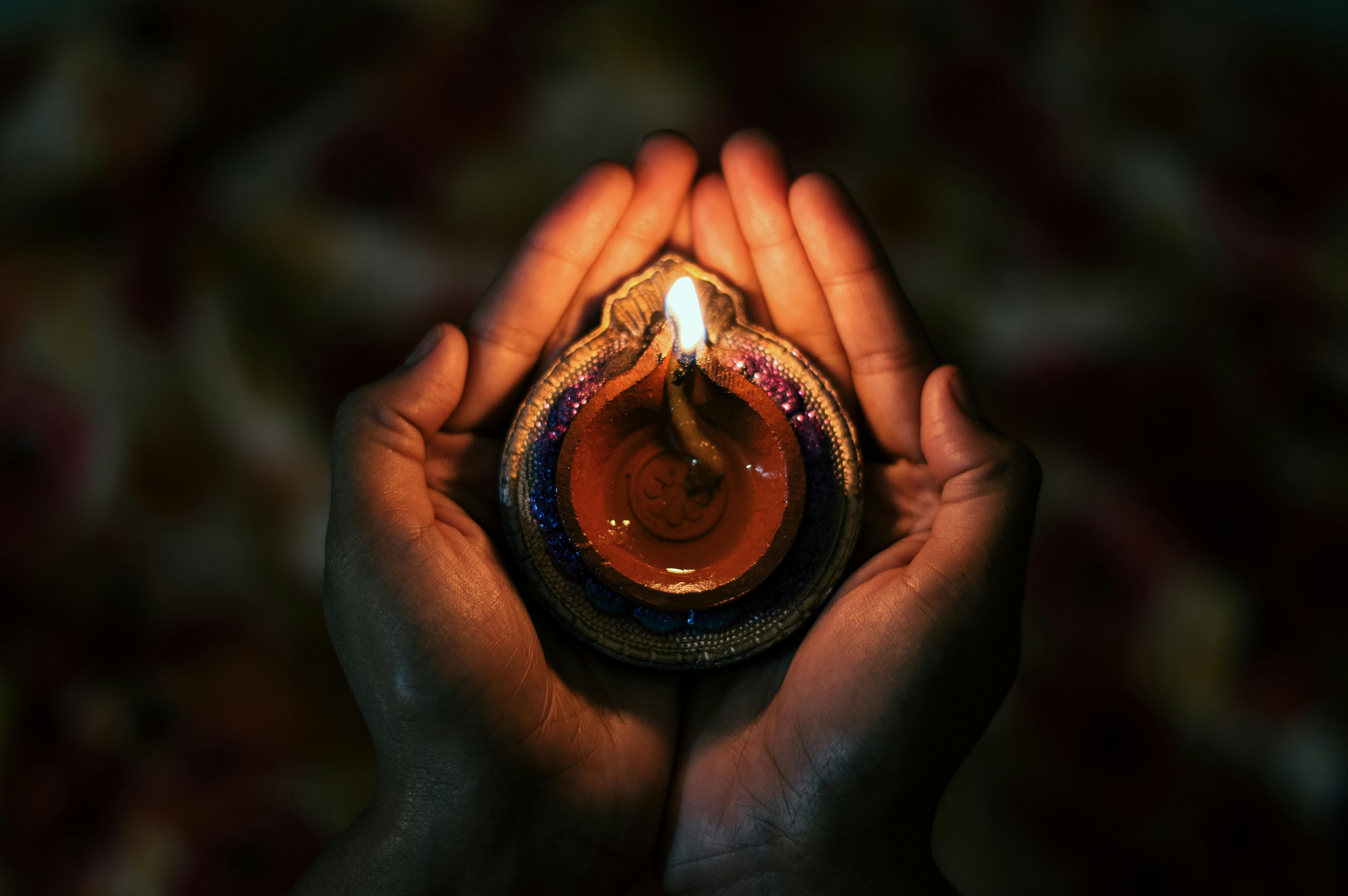
Discover the revolutionary world of psychedelic-assisted therapy and spiritual retreats in 2026. Explore legal options for psilocybin, MDMA, ketamine, and ayahuasca to heal trauma, boost mental health, and achieve profound spiritual awakening. Compare top providers, understand costs, and find your path to transformative wellness.
Introduction to the Topic
Welcome to 2026, a year where the landscape of mental health and spiritual growth has been irrevocably transformed. For decades, the profound potential of psychedelic compounds remained shrouded in stigma, relegated to underground movements and whispered tales. Today, however, we stand at the precipice of a global spiritual renaissance, fueled by groundbreaking scientific research and evolving legal frameworks. No longer just a fringe concept, psychedelic-assisted therapy and carefully curated spiritual retreats are emerging as legitimate, powerful pathways for healing trauma, alleviating chronic mental health conditions, and facilitating deep personal and spiritual awakening. If you're seeking a breakthrough, a deeper connection to self, or a truly transformative experience, you've arrived at the right place. This comprehensive guide will navigate the exciting, yet complex, world of these powerful modalities, helping you understand your options and make informed decisions on your journey to profound well-being.
Backgrounds & Facts
The journey of psychedelics from ancient spiritual sacraments to modern therapeutic tools is a fascinating one. Substances like psilocybin (from magic mushrooms) and ayahuasca have been used for millennia by indigenous cultures for healing, divination, and spiritual ceremonies. Lysergic acid diethylamide (LSD) and MDMA (Ecstasy) entered the Western therapeutic scene in the mid-20th century, showing immense promise before being largely criminalized during the “War on Drugs.”
Fast forward to 2026, and the scientific community has unequivocally re-embraced these compounds. Research institutions like Johns Hopkins, Imperial College London, and the Multidisciplinary Association for Psychedelic Studies (MAPS) have published compelling data on the efficacy of psilocybin for depression and anxiety, MDMA for PTSD, and ketamine for severe depression and suicidal ideation. The mechanisms are complex but fascinating: psychedelics often induce states of 'ego dissolution,' fostering neuroplasticity and allowing individuals to re-examine traumatic memories or ingrained thought patterns from a new perspective. They can quiet the 'default mode network' in the brain, which is often overactive in depression and anxiety, leading to rumination.
Legally, 2026 is a pivotal year. Psilocybin is now decriminalized or medically legalized in several US states (e.g., Oregon, Colorado) and Canadian provinces, with regulated service centers emerging. MDMA is widely expected to receive full FDA approval for PTSD treatment, expanding access through licensed therapists. Ketamine clinics are well-established and continue to grow. Ayahuasca, while still largely operating in legal grey areas in many Western countries, is legally accessible through retreats in countries where it is part of traditional practices (e.g., Peru, Brazil, Costa Rica). This evolving legal landscape means more regulated, safer, and professionally guided options are available than ever before, moving these powerful tools from the shadows into mainstream wellness.
Expert Opinion / Analysis
“The data is undeniable,” states Dr. Anya Sharma, a leading neuroscientist specializing in psychedelic research at the Institute for Advanced Consciousness Studies. “What we’re seeing is not just symptom reduction, but a fundamental shift in how individuals process emotion and perceive reality. The neuroplasticity induced by these compounds, particularly when combined with proper psychotherapy, allows for the formation of new neural pathways, essentially rewiring the brain away from maladaptive patterns.”
Beyond the neurological, the spiritual dimension is equally critical. “Psychedelics are not a magic bullet; they are catalysts,” explains Elara Vance, a renowned spiritual integration coach. “The experience itself is profound, often leading to feelings of interconnectedness, awe, and a clearer sense of purpose. But the true healing happens in the integration phase – making sense of those insights and weaving them into daily life. This is where a skilled guide or therapist becomes indispensable, helping you anchor the epiphanies and sustain long-term change.”
For individuals grappling with severe trauma, the advent of MDMA-assisted therapy is a game-changer. Dr. Marcus Thorne, a clinical psychologist specializing in PTSD, notes, “MDMA creates a window of empathy and reduced fear, allowing patients to revisit traumatic memories without being overwhelmed. It facilitates a compassionate engagement with the past, which is often impossible in traditional talk therapy alone. This therapeutic alliance, coupled with the unique properties of MDMA, is offering hope to those for whom other treatments have failed.” The consensus among experts is clear: these substances are not to be approached lightly. The 'set and setting' – your mindset and the environment – are paramount, as is professional guidance for both preparation and, crucially, integration.
💰 Best Options in Comparison (VERY IMPORTANT)
Navigating the diverse world of psychedelic and spiritual therapies requires careful consideration. Here, we compare the leading options available in 2026, helping you choose the path best suited for your goals, budget, and comfort level.
- Option 1: Licensed Psychedelic Therapy Clinics (Psilocybin, MDMA, Ketamine)
These clinics operate under strict medical and legal regulations, offering structured therapeutic programs for specific mental health conditions. They prioritize safety, medical oversight, and evidence-based protocols. Ideal for those seeking clinical treatment for diagnosed conditions like PTSD, severe depression, or anxiety. - Option 2: International Ayahuasca & Plant Medicine Retreats
These retreats, primarily in South and Central America, offer deep spiritual journeys rooted in indigenous traditions. They focus on holistic healing, personal growth, and profound spiritual awakening, often in group settings with experienced shamans or facilitators. Best for individuals seeking a profound spiritual experience and personal transformation outside of a clinical setting. - Option 3: Guided Psilocybin & MDMA Wellness Centers (Emerging Legal Models)
Operating in regions with evolving psychedelic laws (e.g., Oregon's Psilocybin Service Centers, Canadian wellness clinics), these centers bridge the gap between clinical therapy and spiritual retreats. They offer guided experiences often focused on personal growth, creativity, and well-being, sometimes in group settings, with varying degrees of medical oversight. A good choice for those seeking personal development and spiritual exploration within a regulated, yet less medicalized, framework.
| Type of Experience | Primary Focus | Key Substances | Legal Status (2026) | Typical Cost Range | Oversight/Safety | Best For |
|---|---|---|---|---|---|---|
| Licensed Psychedelic Therapy Clinics | Clinical treatment for mental health conditions (PTSD, Depression, Anxiety) | MDMA, Psilocybin, Ketamine | Fully legal & regulated in approved regions (USA, Canada, EU) | $3,000 - $15,000+ per program | High (Medical doctors, licensed therapists, controlled doses) | Diagnosed mental health conditions, clinical efficacy, high safety standards |
| International Ayahuasca & Plant Medicine Retreats | Spiritual awakening, holistic healing, personal growth | Ayahuasca, San Pedro, Psilocybin (context-dependent) | Legal in host countries (e.g., Peru, Brazil), often grey area elsewhere | $1,500 - $6,000+ per retreat (excluding travel) | Variable (Experienced shamans/facilitators, community support, less medical) | Profound spiritual journeys, personal transformation, cultural immersion |
| Guided Psilocybin & MDMA Wellness Centers | Personal development, well-being, spiritual exploration | Psilocybin, MDMA (where legal for wellness/adult use) | Emerging legal frameworks (e.g., Oregon, some Canadian provinces) | $1,000 - $5,000+ per session/program | Moderate (Trained facilitators, health screenings, varying medical support) | General well-being, self-exploration, group experiences, regulated access |
Outlook & Trends
The trajectory for psychedelic-assisted therapy and spiritual retreats in 2026 and beyond is one of rapid expansion and increasing sophistication. We anticipate further legalization of psilocybin and MDMA across more US states and European nations, leading to wider accessibility. The integration of technology will also play a significant role: AI-powered tools are already being explored for pre-screening, personalized dose recommendations, and especially for post-session integration therapy, helping individuals process their experiences effectively over time. Virtual reality (VR) is also emerging as a tool to enhance 'set and setting' during preparatory phases or for integration. Microdosing, once a niche practice, is gaining mainstream traction for cognitive enhancement and mood regulation, with coaching programs becoming more formalized.
Expect to see a greater emphasis on ethical considerations, ensuring equitable access and preventing commercial exploitation. Research will delve deeper into personalized psychedelic medicine, tailoring substances and dosages to individual neurochemistry. The rise of 'psychedelic tourism' will necessitate robust regulatory frameworks to ensure safety and ethical practices in international retreat centers. Ultimately, these powerful tools are poised to become an integral part of a holistic wellness paradigm, offering profound avenues for healing and growth that were unimaginable just a few years ago.
Conclusion
The spiritual revolution powered by psychedelics is not just a trend; it's a paradigm shift in how we approach mental health, healing, and personal growth. In 2026, the options for engaging with these transformative substances are more diverse, regulated, and accessible than ever before. Whether you seek clinical relief from trauma, a profound spiritual awakening, or a path to enhanced well-being, careful research and professional guidance are paramount. As you consider these life-changing opportunities, remember the importance of 'set and setting,' the value of integration, and the wisdom of choosing experienced, ethical providers. Your journey towards a more meaningful, connected, and healed self awaits.