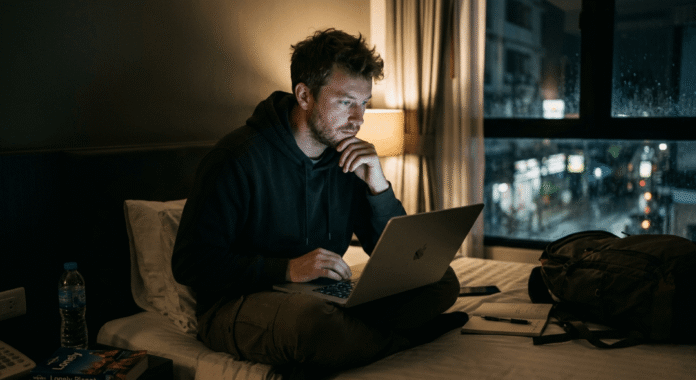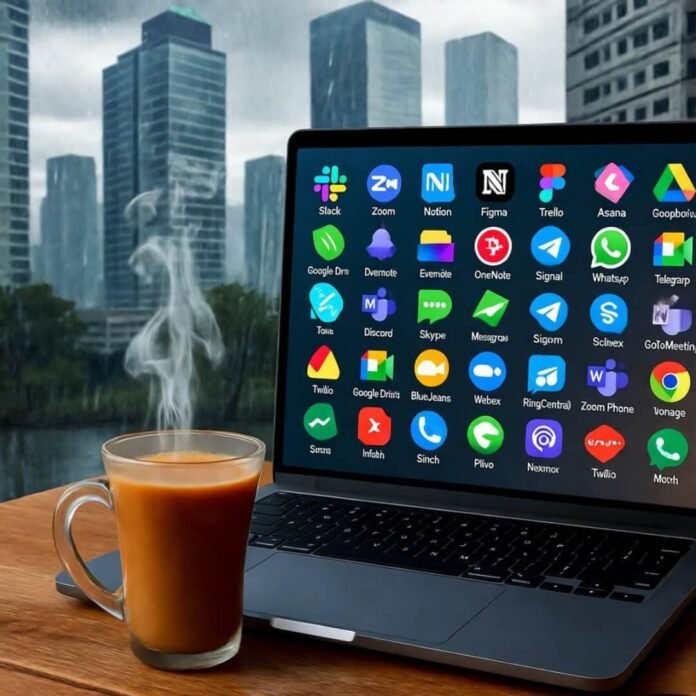
You open your bank statement one day and think, Wait… when did I start paying for this? Then another charge pops up. And another. Suddenly your ₹299 feels harmless, but ₹299 × 12 doesn’t.
That’s when the fatigue hits.
Not loudly. Just enough to make you start cutting.
And when people start cutting, they don’t do it randomly. They follow a pattern. I’ve noticed it in my own life, and you probably will too once you look closely. subscription fatigue
The “₹99 Trap” That Sneaks Up on You
Most subscriptions don’t look expensive individually.
Netflix. Spotify. Cloud storage. Fitness apps. Language apps you downloaded during a “this is my year” phase.
Each one feels like a small decision. Almost harmless.
But here’s the thing no one talks about properly:
people don’t experience subscription fatigue because of price.
They feel it because of mental clutter.
Every app is a tiny commitment. A tiny guilt reminder.
“I should be using this more.”
That’s the real cost.
The First Ones People Cancel (And Why It’s Not What You Think)
You’d assume people cancel the most expensive apps first.
They don’t.
They cancel the ones that feel replaceable.
Music apps like Spotify often survive because they’re daily habits. You don’t think about them—you just use them. subscription fatigue
But something like a meditation app? Or that premium photo editing app you used twice?
Gone.
Not because it’s expensive. Because it’s easy to let go.
Same goes for:
- Language learning apps after the initial excitement fades
- Fitness apps once routine breaks
- Productivity tools you wanted to use, but never really did
The pattern is simple:
utility beats intention every time.
Streaming Wars Made It Worse, Not Better
Remember when Netflix alone felt like enough?
Now it’s Netflix, Prime Video, Disney+, maybe Apple TV+… and suddenly you’re paying cable-TV-level money again.
Except worse. Because now you have to choose what to cancel.
People are getting smarter about this.
Instead of staying subscribed to everything, they rotate.
Watch one show. Cancel. Move to the next platform.
No loyalty. No attachment.
It reminds me of planning trips. You don’t try to see all of France in one go—you focus.
Like when I wrote about the best time to visit France, the whole idea was timing matters. Subscriptions are becoming the same thing. Timing over permanence.
“I’ll Use It Later” Is the Biggest Lie We Tell Ourselves
This one stings a bit.
We don’t subscribe for what we need.
We subscribe for who we think we’ll become.
That cooking app? Future you is making perfect croissants.
That travel planning tool? Future you is exploring places like Annecy after reading something like this Annecy travel guide.
That fitness subscription? Future you is consistent.
But real life is messy.
And when reality doesn’t match that version of you, the subscription becomes a reminder.
That’s uncomfortable. So people cancel.
Not because the app is bad.
Because it reflects a version of life they didn’t stick to.
Subscriptions Feel Different When Money Feels Tighter
Here’s the honest part nobody likes saying out loud.
When money feels uncertain, people reassess everything.
Even ₹149 suddenly matters.
Not because it’s huge—but because it’s recurring.
Subscriptions are invisible spending. And invisible spending is the first thing people want to control when things feel unpredictable.
That’s why you’ll see people cutting:
- Extra cloud storage tiers
- Duplicate streaming services
- Premium app upgrades they barely notice
But they keep things that feel essential.
Maps. Music. Maybe one streaming service.
The rest? Optional.
The Travel Parallel Nobody Talks About
This might sound unrelated, but it’s not.
When I was planning a trip through the Loire Valley, reading about places like the Loire Valley castles, I realised something.
Travel decisions are about prioritisation.
You can’t do everything. You pick what matters.
Subscriptions are heading in that direction.
People are no longer collecting apps.
They’re curating them.
Just like you wouldn’t try to eat at every restaurant in Lyon—you’d follow something like a Lyon food guide and pick a few great spots. subscription fatigue
Same mindset.
Fewer subscriptions. Better choices.
The Hidden Reason People Don’t Resubscribe
Here’s what most companies get wrong.
They think cancellations are temporary.
“Win them back later.”
But once someone cancels and realises they don’t miss it, that’s it.
The habit is broken.
It’s like discovering a quiet beach after avoiding crowded ones—something like the spots I mentioned in French Riviera hidden spots. Once you experience that simplicity, you don’t rush back to chaos.
Subscriptions work the same way. subscription fatigue
Absence creates clarity.
Big Platforms Are Winning. Smaller Ones Are Struggling.
People don’t want 15 subscriptions.
They want 3–5 that actually matter.
So what survives?
The platforms that become part of your daily rhythm.
Netflix stays because of content volume.
Spotify stays because it’s background to life.
Smaller apps? They need to justify themselves constantly.
And most can’t.
Even industry reports are pointing this out. Platforms like Netflix subscription strategy insights are being discussed widely as users shift to selective consumption.
Even official tourism platforms like France.fr are adapting their content delivery—focusing on quality over volume—because attention itself is becoming scarce.
People Aren’t Cheap. They’re Tired.
This is the part that gets misunderstood.
Users aren’t suddenly stingy.
They’re exhausted.
Too many apps. Too many logins. Too many reminders. Too many “premium” upgrades.
At some point, simplicity becomes more valuable than access.
And that’s when cancellations begin.
Not aggressively. Just quietly.
One by one.
The Real Future of Subscriptions
If you think subscriptions are dying, they’re not.
But they are changing.
The future isn’t about locking users in.
It’s about being worth coming back to.
Flexible subscriptions.
Pause options.
Less friction.
Because the power has shifted.
Users are no longer afraid to cancel.
And once that fear disappears, everything changes.
FAQs
Why are people canceling subscriptions more now?
Because the total number of subscriptions has increased. People feel overwhelmed and start cutting anything they don’t use regularly.
Which subscriptions do people usually cancel first?
Apps that aren’t part of daily habits—like fitness apps, meditation apps, or niche tools people intended to use but didn’t.
Are streaming services losing subscribers?
Not exactly. People are rotating between them instead of staying subscribed year-round.
How can I avoid subscription fatigue?
Track your subscriptions once a month. If you haven’t used something in 2–3 weeks, cancel it. You can always come back later.