
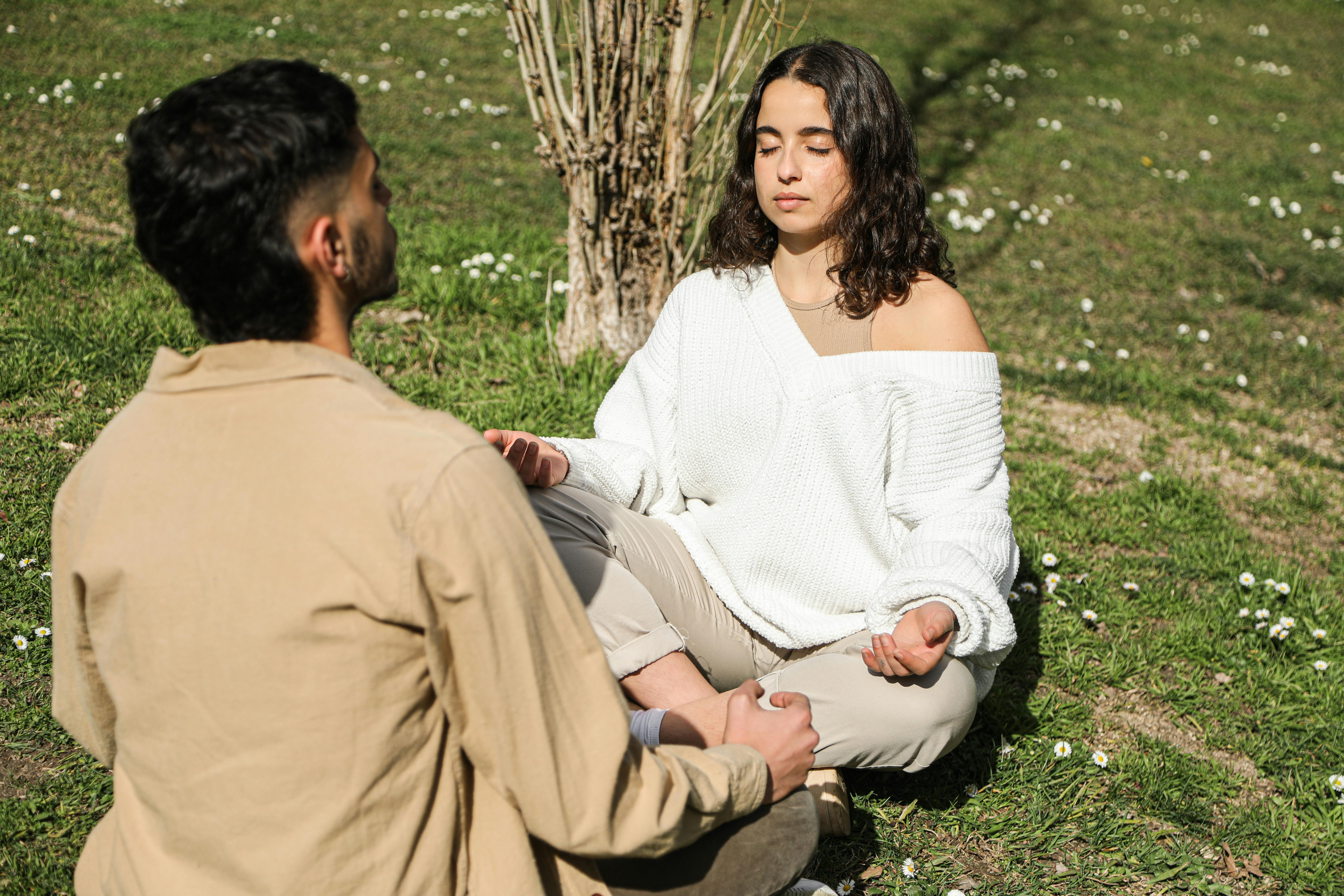
Discover the revolutionary world of AI-powered personalized mindfulness in 2026. This article explores how advanced algorithms, biometric feedback, and neuro-linguistic programming are redefining stress reduction, anxiety management, and mental wellness. Compare the leading digital mindfulness solutions, understand their unique features, and find the perfect AI meditation coach to cultivate lasting inner peace and enhance your overall well-being. Optimize your mental health with data-driven insights and explore subscription models for cutting-edge digital wellness.
Introduction to the Topic
In a world that seems to accelerate with each passing year, finding moments of genuine peace and clarity can feel like an increasingly elusive quest. The year 2026 brings with it unprecedented technological advancements, but also a heightened sense of digital overload, professional burnout, and persistent anxieties. Traditional mindfulness practices, while profoundly effective, often struggle to keep pace with our hyper-individualized, data-driven lives. Enter the next frontier in mental wellness: AI-powered personalized mindfulness. This isn't just about another meditation app; it's a paradigm shift, offering bespoke pathways to inner calm tailored precisely to your unique brainwaves, stress triggers, and emotional landscape. Imagine a digital guru that understands your subtle shifts in mood, adapts guided meditations in real-time, and even suggests proactive interventions before stress takes hold. For those seeking genuine, sustainable relief from the relentless pressures of modern life, this innovative synergy of ancient wisdom and cutting-edge artificial intelligence promises a transformative journey. But with a rapidly expanding market, how do you navigate the myriad of options to find the AI mindfulness solution that truly resonates with your needs? Join us as we explore this groundbreaking trend, dissect the top platforms, and empower you to make an informed choice for your mental well-being.
Backgrounds & Facts
Mindfulness, rooted in ancient Buddhist traditions, has long been recognized for its profound benefits in reducing stress, improving focus, and enhancing emotional regulation. For centuries, its practice involved dedicated self-study, the guidance of experienced teachers, and often, retreats away from daily distractions. The 21st century saw a democratization of mindfulness through digital apps, making guided meditations accessible to millions. However, these early digital offerings, while valuable, often provided a one-size-fits-all approach. The user would select a meditation, but the app couldn't truly 'know' their current state, specific challenges, or learning style.
Fast forward to 2026, and the integration of Artificial Intelligence has revolutionized this landscape. AI's capacity for processing vast amounts of data, learning patterns, and making predictive analyses has unlocked a new level of personalization. Modern AI mindfulness platforms leverage several key technologies:
- Biometric Data Integration: Connecting with wearables (smartwatches, rings, specialized headbands) to monitor heart rate variability (HRV), skin conductance, sleep patterns, and even brainwave activity (EEG). AI algorithms analyze this real-time data to gauge stress levels, emotional states, and cognitive load.
- Natural Language Processing (NLP): Advanced NLP allows AI coaches to understand user input, journal entries, and even vocal tone, providing more nuanced and empathetic responses, akin to a human therapist.
- Adaptive Learning Algorithms: These algorithms continuously learn from your progress, preferences, and physiological responses, dynamically adjusting meditation scripts, breathing exercises, and cognitive behavioral therapy (CBT) techniques to maximize effectiveness.
- Predictive Analytics: By identifying patterns in your data, AI can anticipate potential stress triggers or dips in mood, offering proactive mindfulness exercises or coping strategies before a crisis point is reached.
The demand for such solutions is skyrocketing. According to a recent report by the World Health Organization, mental health challenges continue to be a leading cause of disability globally, with an estimated 1 in 4 people experiencing a mental health condition in their lifetime. The global digital wellness market, propelled by innovations like AI mindfulness, is projected to exceed $200 billion by 2030, reflecting a societal pivot towards proactive, personalized mental healthcare. This confluence of ancient wisdom and futuristic tech isn't just a trend; it's becoming an essential tool for navigating the complexities of modern existence, promising not just temporary relief, but a path to sustained inner resilience.
Expert Opinion / Analysis
"The advent of AI in mindfulness isn't about replacing human connection; it's about democratizing access to highly personalized, effective mental wellness tools that were once the exclusive domain of costly retreats or specialized therapists," states Dr. Anya Sharma, a leading neuroscientist and digital psychology expert at the Institute for Cognitive Tech. "For decades, we've understood that effective mindfulness isn't one-size-fits-all. What calms one person might agitate another. AI finally allows us to deliver truly individualized interventions at scale."
Dr. Sharma's research highlights several key benefits of AI-powered mindfulness:
- Unprecedented Personalization: Unlike static guided meditations, AI can adapt to your current emotional state, stress levels, and even your learning style in real-time. If your heart rate spikes during a session, the AI can gently shift to a more calming technique. If it detects sleep deprivation, it might suggest a restorative yoga nidra.
- Objective Progress Tracking: AI platforms provide tangible data on your mindfulness journey – reductions in stress markers, improved sleep quality, increased focus metrics. This objective feedback can be incredibly motivating and helps users understand the real-world impact of their practice.
- Overcoming Barriers to Practice: Many individuals struggle with consistency, finding the 'right' meditation, or feeling like they're 'doing it wrong.' AI acts as a patient, non-judgmental coach, guiding users through these hurdles with adaptive pathways and encouraging prompts.
- Accessibility and Affordability: While premium subscriptions exist, AI mindfulness makes high-quality, personalized guidance far more accessible and affordable than traditional human coaching or therapy, especially in underserved regions.
However, Dr. Sharma also cautions against an uncritical embrace of the technology. "Data privacy and security are paramount. Users must scrutinize how their biometric and personal data are collected, stored, and utilized," she advises. "Furthermore, while AI excels at pattern recognition and adaptive delivery, it lacks genuine empathy and the nuanced understanding of complex human experience that a trained therapist provides. The ideal scenario is a hybrid model where AI augments human support, offering daily tools while human experts address deeper psychological issues." The ethical development of AI, ensuring transparency and user agency, remains a critical area of focus for researchers and developers alike. The goal is not to create a dependency on technology but to empower individuals with powerful tools for self-regulation and resilience.
💰 Best Options in Comparison (VERY IMPORTANT)
Navigating the burgeoning market of AI mindfulness solutions can be daunting. To help you make an informed decision and invest in your mental well-being, we've meticulously reviewed the top platforms available in 2026. Each offers a unique approach, catering to different needs and preferences. Consider your budget, desired level of personalization, and integration with existing tech when making your choice.
- MindFlow AI: The Biometric Pathfinder
MindFlow AI is renowned for its deep integration with advanced biometric wearables (compatible with most smartwatches, Oura Ring 3.0, and specialized EEG headbands like Muse 3). It utilizes real-time heart rate variability, skin conductance, and brainwave data to dynamically adjust guided meditations, breathing exercises, and soundscapes. Its 'Flow State' algorithm identifies optimal times for focus and relaxation, offering proactive nudges. Ideal for users who want data-driven insights and a highly responsive, personalized experience. Pricing: Tiered subscription, starting at $19.99/month, annual plans available with discounts. Free 7-day trial. - SerenityOS: The Holistic Digital Guru
SerenityOS offers a comprehensive suite of AI-driven wellness tools, extending beyond meditation to include personalized sleep programs, emotional regulation exercises based on CBT principles, and even AI-generated affirmations tailored to your journal entries. It uses advanced NLP to understand your mood and preferences, offering a truly 'conversational' coaching experience. Best for those seeking a holistic approach to mental wellness, not just meditation. Integrates with popular health tracking apps. Pricing: Premium subscription at $24.99/month, family plans available. 14-day free trial. - ZenithMind: The Gamified Growth Engine
ZenithMind stands out with its innovative gamified approach to mindfulness. It turns your daily practice into an engaging journey with 'Zenith Points,' personalized challenges, and progress milestones. AI analyzes your engagement patterns and performance to suggest optimal practices and maintain motivation. It features a vast library of AI-generated content, from quick 'micro-mindfulness' breaks to extended deep-dive sessions. Perfect for users who thrive on motivation, progress tracking, and a more interactive experience. Pricing: Basic subscription $14.99/month, Elite tier with advanced features $29.99/month. Free basic version with limited features. - NeuroCalm: The Brainwave Optimizer
NeuroCalm is a specialized platform that focuses heavily on neurofeedback-inspired mindfulness. While it can integrate with standard wearables, its full power is unleashed with dedicated EEG headbands (sold separately or bundled). The AI interprets your brainwave patterns in real-time, guiding you towards states of alpha (relaxation) and theta (deep meditation) through auditory and visual cues. It’s a more advanced, scientific approach, ideal for users serious about brainwave entrainment and achieving profound meditative states. Pricing: $34.99/month (software only), hardware bundles start at $299. Annual discounts.
AI Mindfulness Platforms Comparison
| Feature/Platform | MindFlow AI | SerenityOS | ZenithMind | NeuroCalm |
|---|---|---|---|---|
| Core Focus | Biometric-adaptive meditation | Holistic AI wellness coach | Gamified mindfulness & motivation | Neurofeedback-inspired brainwave optimization |
| Personalization Level | High (real-time biometric data) | High (NLP, mood, journal analysis) | Moderate to High (engagement patterns) | Very High (direct brainwave feedback) |
| Key Features | Dynamic meditations, Flow State algorithm, HRV tracking | CBT exercises, sleep programs, AI affirmations, conversational coach | Zenith Points, challenges, micro-mindfulness, progress tracking | Real-time EEG feedback, binaural beats, advanced brain training |
| Wearable Integration | Extensive (smartwatches, Oura, Muse 3) | Standard (health apps, basic smartwatches) | Basic (optional smartwatches) | Essential (dedicated EEG headbands) |
| Pricing (Monthly) | From $19.99 | $24.99 | From $14.99 (free basic) | $34.99 (software only) |
| Free Trial/Version | 7-day free trial | 14-day free trial | Free basic version | No free trial (hardware dependent) |
| Best For | Data-driven users, real-time adaptation | Comprehensive mental wellness, conversational AI | Motivation, interactive learning, breaking habits | Advanced practitioners, brainwave entrainment |
Each of these platforms offers a unique gateway to enhanced mental well-being. We encourage you to explore their free trials or basic versions to determine which AI guru best aligns with your personal journey towards inner peace. Investing in your mental health is the most valuable purchase you can make, and 2026 offers more powerful, personalized tools than ever before.
Outlook & Trends
The trajectory of AI-powered mindfulness is one of rapid evolution and deeper integration into our daily lives. Looking ahead to the next few years, we can anticipate several transformative trends:
- Hyper-Personalization and Predictive Wellness: Beyond current biometric feedback, future AI will integrate even more deeply with personal data – genetic predispositions, microbiome health, even environmental factors – to offer truly holistic, predictive wellness interventions. Imagine an AI that knows your stress points before you do, proactively suggesting a specific meditation or breathing exercise based on your upcoming schedule and sleep patterns.
- Immersive XR (Extended Reality) Integration: Virtual Reality (VR) and Augmented Reality (AR) are poised to blend seamlessly with AI mindfulness. Picture stepping into a personalized, serene digital environment that responds to your emotional state, guiding you through meditations with visuals and sounds generated in real-time to optimize your experience. This could transform home practice into an unparalleled immersive retreat.
- Brain-Computer Interfaces (BCI) for Direct Feedback: While niche today, BCI technology will become more accessible, allowing for even more precise, direct brainwave modulation. This could lead to AI-guided meditations that directly 'train' your brain to enter specific states of relaxation, focus, or creativity with unprecedented efficiency.
- Ethical AI and Data Sovereignty: As these technologies become more pervasive, the focus on ethical AI development, robust data privacy protocols, and user data sovereignty will intensify. Platforms will need to offer greater transparency and control over personal health data, building trust as they become integral to our mental health infrastructure.
- Integration into Mainstream Healthcare: Expect AI mindfulness to transition from a 'wellness perk' to a standard component of preventative medicine and clinical therapy. Doctors and therapists may prescribe specific AI mindfulness programs as part of comprehensive treatment plans for anxiety, depression, chronic pain, and sleep disorders, with data potentially shared (with consent) for better health outcomes.
The future of mindfulness is not just digital; it's intelligent, adaptive, and deeply personal. These advancements promise a future where inner peace is not a luxury, but an achievable, data-supported reality for everyone.
Conclusion
In the dynamic landscape of 2026, the quest for inner peace has found a powerful new ally in AI-powered personalized mindfulness. We've moved beyond generic guided meditations to a sophisticated era where technology truly understands and adapts to your unique physiological and psychological needs. From real-time biometric feedback to conversational AI coaches and gamified journeys, the options for cultivating resilience, reducing stress, and enhancing mental clarity are more robust and tailored than ever before.
The platforms we've explored – MindFlow AI, SerenityOS, ZenithMind, and NeuroCalm – represent the vanguard of this revolution, each offering distinct pathways to a calmer, more focused you. Whether you're a data enthusiast craving real-time insights, someone seeking a holistic wellness companion, a user motivated by progress and challenges, or a practitioner keen on advanced brainwave optimization, there's an AI mindfulness solution waiting to transform your practice.
As we look to a future where AI continues to deepen its integration with our well-being, the message is clear: the power to achieve profound inner peace and mental flourishing is now more accessible and personalized than ever. Don't let the complexities of modern life overshadow your mental health. Embrace the future, explore these cutting-edge tools, and take the definitive step towards a more mindful, resilient, and serene you. Your journey to lasting well-being begins now. Choose your digital guru, activate your free trial, and unlock the transformative potential of personalized mindfulness today.