
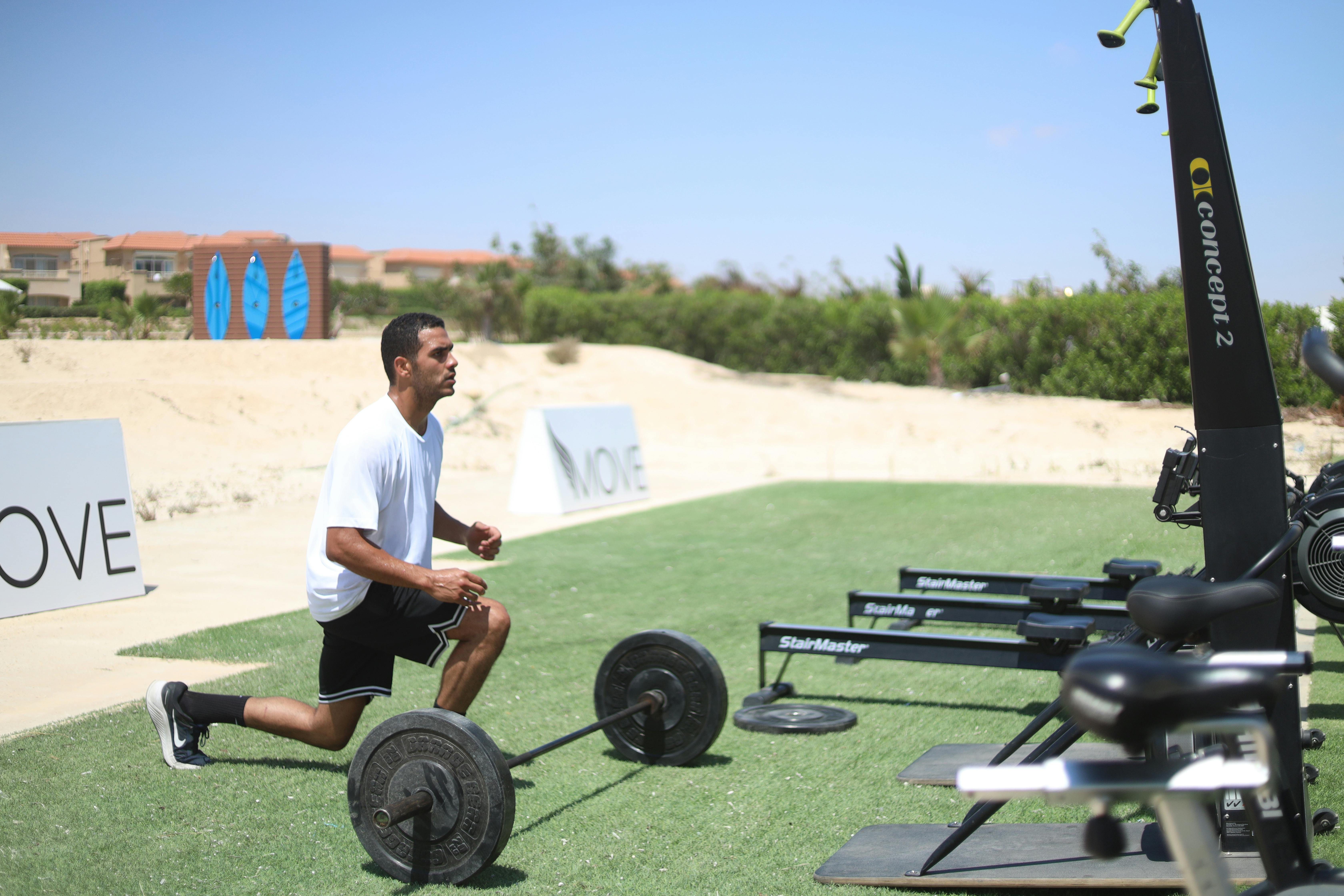
Discover how Artificial Intelligence is transforming fitness in 2026, offering hyper-personalized workout plans, advanced injury prevention, and optimized performance. Dive into the best AI fitness apps, smart gym equipment, and wearable tech designed to help you achieve your health goals. Make informed purchasing decisions with our expert comparison guide.
Introduction to the Topic
Welcome to 2026, where the future of fitness isn't just about lifting heavier or running faster – it's about training smarter, with an intelligence that understands your body better than you ever thought possible. The era of one-size-fits-all workout routines and generic diet plans is officially behind us. We are living through the AI Fitness Revolution, a seismic shift that is redefining how we approach health, performance, and longevity. No longer a futuristic concept, Artificial Intelligence has seamlessly integrated into our daily fitness journeys, offering hyper-personalized guidance that adapts in real-time to our unique physiology, recovery needs, and ambitious goals.
At findmeaningful.com, we believe in empowering you with the knowledge to make the best choices for your well-being. This comprehensive guide will navigate the exciting landscape of AI-powered fitness solutions, from cutting-edge wearables to sophisticated smart gym equipment and intuitive coaching platforms. Whether you're a seasoned athlete looking for that extra edge, a busy professional seeking efficient and effective workouts, or someone just starting their fitness journey, understanding these technologies is crucial. We'll help you cut through the noise, identify the money-generating keywords, and equip you with the insights to choose the perfect personalized smart trainer that will truly unlock your peak potential.
Backgrounds & Facts
The journey of fitness technology has been a rapid ascent. From the simple pedometers of yesteryear to the advanced smartwatches of the early 2020s, data collection has always been at its core. However, the true transformation began when Artificial Intelligence moved beyond mere data logging to intelligent data interpretation and prescriptive action. By 2026, AI-powered fitness solutions are no longer niche products but mainstream necessities, projected to be a multi-billion dollar industry segment.
So, how exactly does AI revolutionize your workout? It starts with data. Advanced sensors in wearables (like the BioSync Health OS or ZenithPulse Watch), smart gym equipment (such as the AuraFit Smart Mirror or KineticFlow Home Gym), and even environmental monitors collect vast amounts of biometric data: heart rate variability, sleep patterns, movement efficiency, recovery metrics, caloric intake, and even mood indicators. Machine learning algorithms then process this colossal dataset, identifying intricate patterns and correlations that are invisible to the human eye. This allows the AI to:
- Create Dynamic Workout Plans: Your plan isn't static. If you had a poor night's sleep, or your previous session showed signs of overtraining, the AI will adjust your next workout's intensity, volume, or even suggest active recovery.
- Optimize Performance: By analyzing your form through computer vision (in smart mirrors) or motion sensors, AI can provide instant feedback, correcting imbalances and improving technique to maximize results and prevent injuries.
- Prevent Injuries: Predictive analytics can flag potential injury risks based on your movement patterns, fatigue levels, and historical data, recommending prehab exercises or rest days before an issue arises.
- Enhance Motivation & Adherence: Gamified elements, personalized challenges, and progress tracking keep users engaged and consistent, making fitness less of a chore and more of an achievable quest.
- Personalized Nutrition & Recovery: Beyond workouts, many AI platforms integrate nutritional guidance and recovery protocols tailored to your specific energy expenditure, dietary preferences, and recovery needs.
The benefits are undeniable: unprecedented efficiency, superior results, and a deeper understanding of your own body. However, challenges remain, including data privacy concerns, the initial investment cost, and ensuring a healthy balance between technological reliance and intrinsic motivation. Yet, the overwhelming consensus is that AI is not just a trend; it's the indispensable co-pilot for your fitness journey in 2026 and beyond.
Expert Opinion / Analysis
“The integration of AI into fitness isn't just an upgrade; it’s a paradigm shift,” explains Dr. Lena Karlsson, a leading sports scientist and founder of the Institute for Adaptive Human Performance. “For decades, we relied on generalized exercise physiology principles. While effective, they couldn't account for the minute, daily fluctuations in an individual’s recovery, stress levels, or hormonal balance. AI changes everything.”
Dr. Karlsson emphasizes the scientific rigor behind AI's recommendations. “Consider heart rate variability (HRV) – a key indicator of your autonomic nervous system's balance. An AI coach can track your HRV trends over weeks and months, correlating it with your training load, sleep quality, and even mental stress. If your HRV dips significantly, the AI might recommend a lighter workout, more active recovery, or even suggest mindfulness exercises, all backed by robust physiological data. This level of personalized, real-time adaptation was previously only available to elite athletes with dedicated human coaching teams.”
However, Dr. Karlsson also offers a crucial caveat: “AI is a powerful tool, but it's not a replacement for human intuition or the nuanced understanding a great human coach provides. The most effective solutions in 2026 are often hybrid models, where AI handles the data crunching and adaptive programming, freeing up human coaches to focus on motivation, technique refinement, and addressing the psychological aspects of training. It's about augmenting human potential, not replacing it.”
She points to the advancements in computer vision and haptic feedback as game-changers. “When an AI-powered smart mirror can instantly detect a slight deviation in your squat form and provide immediate, actionable feedback, you’re not just preventing injury; you’re hardwiring correct movement patterns. This immediate biofeedback loop is incredibly potent for learning and mastery.” The expert consensus is clear: AI in fitness is about leveraging data to create an intelligent, responsive, and ultimately more effective pathway to personal health and performance goals.
💰 Best Options in Comparison (VERY IMPORTANT)
Navigating the burgeoning market of AI fitness solutions can be daunting. To help you make an informed purchasing decision and invest wisely in your health, we've broken down the leading categories and highlighted some top contenders for 2026. Remember, the 'best' option is the one that aligns with your specific goals, budget, and lifestyle.
-
Dedicated AI Fitness Apps & Platforms
These are subscription-based services that leverage your wearable data (or manual input) to generate dynamic workout plans, nutritional guidance, and recovery protocols. They are highly flexible and often more budget-friendly.
- EvolveAI: Known for its sophisticated adaptive algorithms that adjust daily workouts based on recovery, sleep, and performance metrics. Integrates seamlessly with most major wearables. Ideal for those seeking data-driven, flexible training.
- SynergyFit Pro: Specializes in holistic wellness, combining AI-driven fitness with personalized mindfulness exercises and stress reduction techniques. Great for users looking beyond just physical gains.
- PeakPerformance AI: Focuses on advanced athletic performance, offering highly specific programming for strength, endurance, and power. Popular among competitive athletes and serious enthusiasts.
-
Integrated Smart Gym Equipment
These are premium home gym solutions that incorporate AI directly into the hardware, often using computer vision, haptic feedback, and integrated sensors for real-time form correction and adaptive resistance.
- AuraFit Smart Mirror: A sleek, wall-mounted display that uses advanced computer vision to analyze your form, provide real-time feedback, and offer a vast library of AI-guided classes and personalized workouts.
- KineticFlow Home Gym: Features smart resistance technology that adapts to your strength curve in real-time, preventing plateaus and maximizing muscle engagement. Offers a comprehensive range of strength and cardio workouts.
- TitanCore Trainer: A compact, full-body smart trainer with integrated sensors for precise movement tracking and AI-powered weight recommendations. Excellent for space-conscious users who want guided strength training.
-
Wearable Ecosystems with Advanced AI Coaching
These are high-end smartwatches or fitness trackers that have evolved into comprehensive health platforms, offering integrated AI coaching directly through their proprietary apps and services.
- BioSync Health OS: A premium wearable that goes beyond basic tracking, offering deep insights into metabolic health, stress resilience, and sleep quality, with AI coaching recommendations for long-term health optimization.
- ZenithPulse Watch: Known for its precision biometric data collection and 'Adaptive Coach' feature, which provides daily readiness scores and tailored workout suggestions directly on your wrist.
-
Hybrid Human-AI Coaching Services
The best of both worlds: a human coach provides personalized guidance, motivation, and accountability, while an AI platform handles data analysis, program adjustments, and progress tracking.
- Human-AI Elite Coach: Connects you with certified human coaches who utilize a sophisticated AI platform to monitor your progress, fine-tune your plan, and offer personalized support. Ideal for those who value human connection alongside data-driven insights.
| Solution Category | Key Features | Target User | Price Range (Est. 2026) | Primary Data Sources | Personalization Level | Best For |
|---|---|---|---|---|---|---|
| Dedicated AI Fitness Apps (e.g., EvolveAI) | Adaptive workout plans, nutrition tracking, recovery insights | Budget-conscious, flexible trainers, data enthusiasts | $15-50/month subscription | Wearable data, manual input | High (daily adjustments) | Maximizing results with existing equipment |
| Smart Gym Equipment (e.g., AuraFit Smart Mirror) | Real-time form correction, adaptive resistance, expansive class library | Home gym enthusiasts, seeking immersive & guided workouts | $1500-4000 upfront + $30-70/month subscription | Computer vision, motion sensors, integrated biometrics | Very High (real-time feedback & adaptation) | Premium home workout experience & technique mastery |
| Wearable Ecosystems w/ AI Coaching (e.g., BioSync Health OS) | Holistic health tracking, readiness scores, on-wrist coaching | Health-conscious, active individuals, biohackers | $400-800 upfront + $10-25/month subscription | Advanced biometric sensors (HRV, skin temp, blood oxygen, etc.) | High (daily readiness & recommendations) | Continuous health monitoring & proactive wellness |
| Hybrid Human-AI Coaching Services (e.g., Human-AI Elite Coach) | Personalized human coaching, AI-driven program optimization | Serious athletes, those needing accountability & nuanced guidance | $100-300+/month subscription | Human input, AI platform data (wearables, performance logs) | Extremely High (human oversight + AI precision) | Peak performance, injury rehab, long-term athletic development |
Outlook & Trends
Looking ahead to the late 2020s and beyond, the AI fitness landscape promises even more groundbreaking innovations. We anticipate a deeper integration of AI with medical data, allowing for predictive health interventions that go beyond fitness to prevent chronic diseases. Imagine an AI that not only optimizes your workout but also flags early indicators of metabolic dysfunction or cardiovascular risk, recommending specific lifestyle adjustments in consultation with your healthcare provider.
The rise of hyper-individualization will continue, with AI models becoming so sophisticated they can predict your response to specific exercises or nutritional inputs based on your genetic profile and microbiome data. Virtual Reality (VR) and Augmented Reality (AR) will merge seamlessly with AI coaching, creating immersive, gamified workout environments where your virtual trainer can appear in your living room, guiding you through exercises with holographic precision and real-time feedback.
Ethical considerations will remain paramount. Data security, privacy, and the responsible use of highly personal biometric information will drive regulation and innovation in secure AI platforms. Accessibility will also be a key focus, ensuring that these transformative technologies are available to a broader demographic, not just the tech-savvy elite. The future of fitness is not just smart; it’s intrinsically intertwined with our overall health, wellness, and even our longevity, guided by an ever-evolving intelligence that learns, adapts, and empowers us to live our most meaningful lives.
Conclusion
The AI Fitness Revolution is here, and it's reshaping how we perceive and pursue our health goals in 2026. From personalized workout plans that adapt to your body's daily needs to smart equipment that corrects your form in real-time, AI offers an unparalleled opportunity to optimize your performance, prevent injuries, and unlock your true physical potential. The days of generic advice are over; the future is intelligent, adaptive, and uniquely yours.
Whether you opt for a flexible AI app, invest in a state-of-the-art smart home gym, embrace a comprehensive wearable ecosystem, or choose a hybrid human-AI coaching model, the power to transform your fitness journey is literally at your fingertips. Take the time to evaluate your needs, compare the options presented in our detailed guide, and make an informed decision that aligns with your aspirations. Don't just work out; work out smarter. Invest in your future self today, and embark on a personalized journey towards a healthier, stronger, and more meaningful life.