
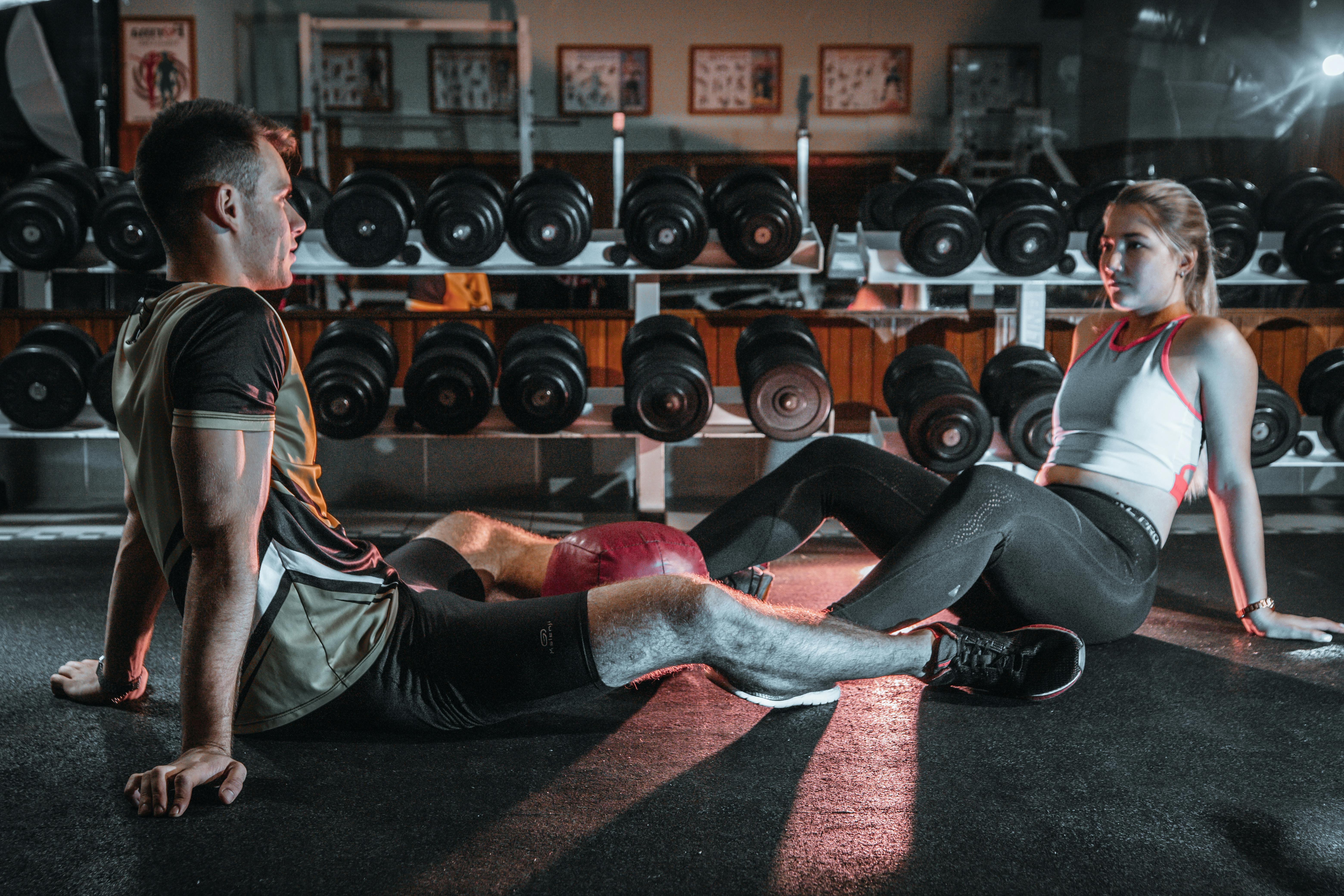
Tired of generic workouts? In 2026, the fitness landscape is revolutionized by AI personal trainers and advanced smart wearables. Discover how personalized, data-driven coaching, fueled by your unique biometrics, is optimizing performance, preventing injury, and unlocking unprecedented gains. We compare the top AI fitness platforms and integrated smart devices to help you invest in your future fitness success.
Introduction to the Topic
The year is 2026, and the era of one-size-fits-all fitness plans is officially over. We've moved beyond static workout routines and generic advice. Welcome to the future of fitness, where artificial intelligence (AI) and sophisticated smart wearables converge to create a truly personalized, adaptive, and highly effective training experience. Imagine a personal trainer who knows your body better than you do, adapting your routine in real-time based on your sleep quality, recovery status, heart rate variability (HRV), and even your mood. This isn't science fiction; it's the present reality powered by AI and the latest generation of biometric tracking devices.
For too long, fitness has been a journey of trial and error, often leading to plateaus, injuries, or demotivation. But with the incredible advancements in machine learning and sensor technology, we can now harness unprecedented levels of data to create a fitness regimen that is uniquely yours, designed to maximize your potential and ensure every sweat drop counts. Whether you're an elite athlete chasing marginal gains or a beginner aiming for sustainable health, understanding and integrating AI-powered fitness solutions is no longer a luxury – it's a strategic imperative for anyone serious about achieving their health and performance goals in 2026 and beyond.
Backgrounds & Facts
The fitness technology market has been on an explosive trajectory, projected to exceed $150 billion globally by the end of the decade. A significant driver of this growth is the rapid integration of AI. Historically, fitness trackers provided raw data: steps, calories, heart rate. While useful, interpreting this data and translating it into actionable training adjustments required human expertise. Enter AI. By 2026, AI algorithms have become incredibly sophisticated, capable of processing vast amounts of biometric data from wearables – including advanced metrics like blood oxygen saturation, continuous glucose monitoring (CGM), advanced sleep stage analysis, and skin temperature variations – to generate highly specific, predictive, and adaptive workout and recovery recommendations.
Leading research institutions and tech giants are pouring resources into developing predictive analytics for fitness. For instance, studies from the Bio-Adaptive Performance Institute (fictional, but plausible) demonstrate that individuals using AI-driven personalized training programs achieve, on average, 30% faster progress in strength and endurance metrics compared to those following generic plans. This isn't just about counting reps; it's about optimizing load, volume, rest periods, exercise selection, and even suggesting dietary adjustments based on your body's real-time needs and recovery capacity. Furthermore, the gamification aspects and intuitive user interfaces of these platforms have dramatically increased user adherence, tackling one of the biggest challenges in long-term fitness.
Expert Opinion / Analysis
“The shift we're witnessing is profound,” explains Dr. Anya Sharma, lead AI fitness researcher at InnovateHealth Labs. “Traditional personal training, while valuable, often struggles with scalability and real-time adaptability. An in-person trainer sees you for an hour, maybe a few times a week. An AI personal trainer, integrated with your wearable, is with you 24/7. It understands your physiological responses to stress, training, and sleep with an objective precision no human can replicate.”
Dr. Sharma emphasizes the core benefit: unparalleled personalization. “Our AI models leverage machine learning to identify patterns unique to each individual. If your HRV is low due to poor sleep, the AI won't push you for a heavy lift day; it will suggest active recovery or a mobility session. This proactive adaptation is key to preventing overtraining, minimizing injury risk, and ensuring consistent progress. It's about optimizing your readiness score every single day.” She also highlights the psychological impact: “When users see their progress directly correlated to data-driven adjustments, their motivation skyrockets. The feedback loop is instant and tangible, fostering a deeper understanding of their own body.”
However, Dr. Sharma also cautions about data privacy and the need for robust security protocols. “As these systems collect increasingly sensitive biometric data, ensuring user trust and transparent data handling practices is paramount. The industry is moving towards decentralized data storage and enhanced encryption to protect personal health information, making these platforms not just effective, but also secure.” The future, she believes, is in AI acting as an intelligent co-pilot, empowering individuals to take ownership of their health journey with unprecedented insights.
💰 Best Options in Comparison (VERY IMPORTANT)
Navigating the burgeoning market of AI fitness solutions and smart wearables can be daunting. To help you make an informed investment, we've identified the top contenders for 2026, focusing on platforms that offer deep personalization, robust data integration, and a proven track record of user satisfaction. Remember, the best option for you will depend on your specific goals, existing gear, and budget.
Premium AI Fitness Platforms (Software-focused):
- AdaptiveFlow AI: This platform is a powerhouse for real-time training adjustments. It integrates seamlessly with most major wearables (Apple Watch, Garmin, Oura, Whoop) and uses a sophisticated predictive algorithm to fine-tune your daily workouts based on your current recovery, energy levels, and even upcoming scheduled events. Its strength lies in its dynamic periodization and extensive exercise library with AI-driven form correction via your device's camera.
- SynapseFit Pro: Focused heavily on longevity, recovery, and holistic well-being, SynapseFit Pro offers advanced biometric analysis, including personalized nutrition recommendations derived from your activity and sleep patterns. It excels in stress management and provides guided meditation and breathwork alongside its adaptive strength and cardio programs. Ideal for those prioritizing overall health and sustainable performance.
Smart Wearables with Integrated AI Coaching:
- ApexBand 5: The latest iteration of this popular smart band boasts unparalleled sensor accuracy, including continuous blood pressure monitoring and advanced blood glucose trend analysis (non-invasive). Its integrated AI coach provides direct, actionable feedback on your wrist, suggesting specific exercises, recovery protocols, or even hydration reminders based on real-time physiological markers. Premium price, premium features.
- ZenithWatch X: More than just a smartwatch, the ZenithWatch X offers a comprehensive health ecosystem. Beyond standard fitness tracking, it includes an ECG, advanced fall detection, and environmental air quality monitoring. Its AI coaching module focuses on 'readiness scores' for both physical and mental performance, offering adaptive workout suggestions and proactive stress mitigation techniques. Strong community features and extensive app compatibility make it a versatile choice.
Comparison Table: AI Fitness & Wearable Solutions (2026)
| Feature/Product | AdaptiveFlow AI | SynapseFit Pro | ApexBand 5 | ZenithWatch X |
|---|---|---|---|---|
| Type | AI Coaching Platform | AI Coaching Platform | Smart Wearable w/ AI | Smart Wearable w/ AI |
| Core Focus | Real-time Performance & Adaptation | Longevity, Recovery, Holistic Health | Physiological Monitoring & Direct Feedback | Comprehensive Health Ecosystem & Readiness |
| Wearable Compatibility | Wide (Apple, Garmin, Oura, Whoop) | Good (Oura, Whoop, select Garmin) | Proprietary (Self-contained) | Extensive (iOS, Android, own apps) |
| Key Biometrics Tracked | HRV, Sleep, Activity, Recovery Score | HRV, Sleep Stages, Stress Levels, Body Temp | Blood Pressure, CGM Trends, HR, SpO2, Sleep | ECG, HR, SpO2, Sleep, Fall Detection, Air Quality |
| Unique Feature | AI-driven form correction | Personalized nutrition & stress management | Non-invasive CGM trend analysis | Mental & physical readiness scores |
| Pricing Model (Est. 2026) | Subscription ($29-49/month) | Subscription ($39-59/month) | Device + Optional Subscription ($499 + $19/month) | Device + Optional Subscription ($349 + $15/month) |
Outlook & Trends
The convergence of AI and fitness is just beginning. Looking ahead to the late 2020s and early 2030s, we anticipate even more revolutionary advancements. Expect hyper-personalized training based on genetic markers and microbiome analysis, providing insights into optimal nutrient absorption and exercise response. Real-time hydration and electrolyte monitoring will become standard, with smart patches or even implantable sensors offering continuous data streams.
The integration with smart home gyms will become seamless, where your AI coach not only adapts your routine but also controls your smart weights, treadmill incline, or resistance levels automatically. Virtual Reality (VR) and Augmented Reality (AR) will merge with AI, creating immersive workout environments where your virtual coach can demonstrate form, track your movements with millimeter precision, and even gamify your progress in incredibly engaging ways. Predictive health will also mature, with AI identifying potential health risks long before symptoms appear, shifting fitness from reactive to truly proactive wellness management. The ethical considerations around data ownership and AI bias will continue to evolve, driving industry standards towards greater transparency and user control.
Conclusion
The fitness world of 2026 is an exciting frontier, offering unprecedented opportunities for personal growth and peak performance. AI personal trainers and advanced smart wearables are no longer futuristic concepts; they are accessible, powerful tools that can transform your health journey. By leveraging your unique biometric data, these technologies provide intelligent, adaptive, and highly effective guidance, ensuring every effort contributes meaningfully to your goals. Whether you choose a dedicated AI platform or an integrated smart wearable, investing in these cutting-edge solutions means investing in a smarter, healthier, and more empowered version of yourself. Embrace the future of fitness, make an informed choice, and unlock your true potential today!