
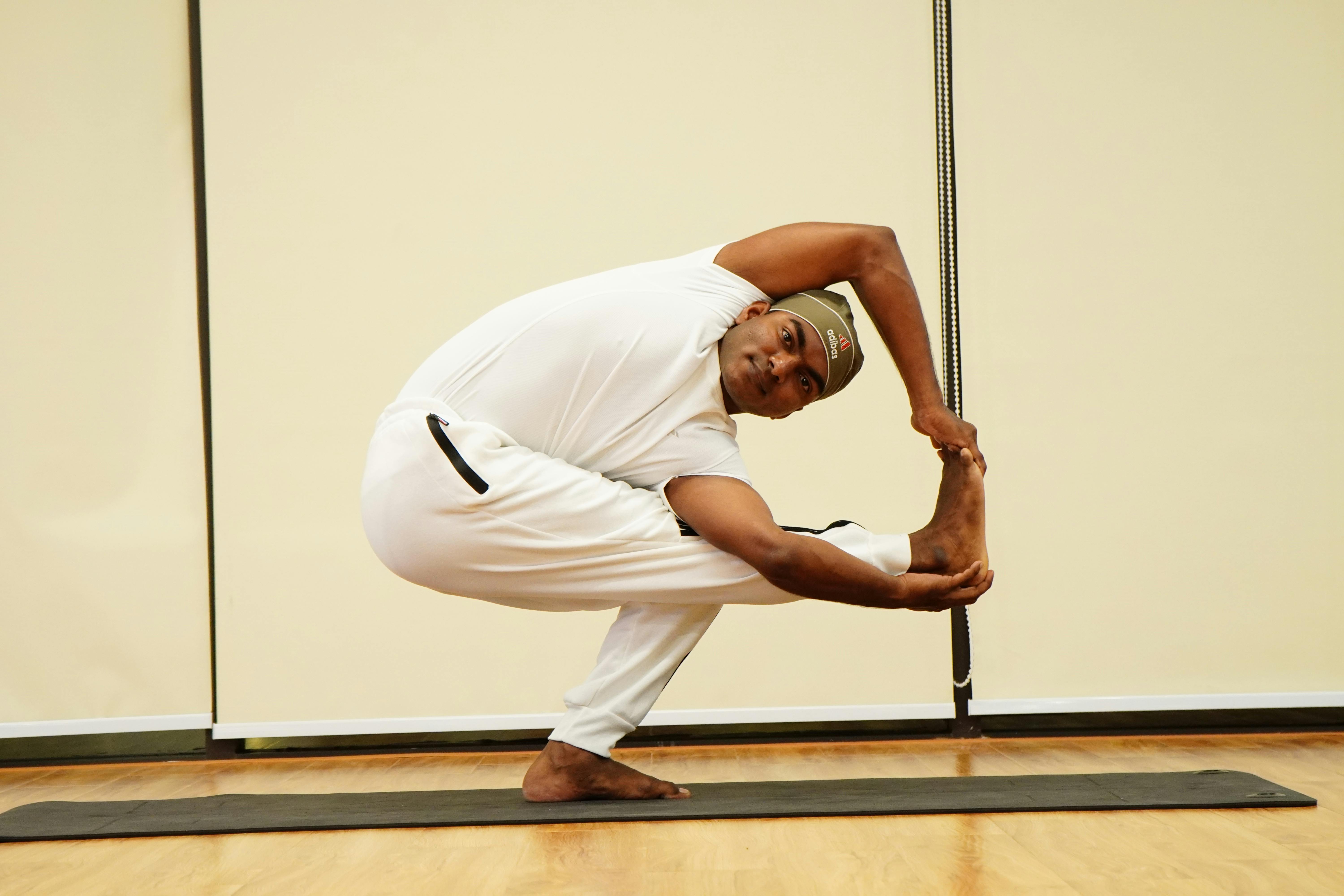
Yoga class prices in American cities strike many people as high for an activity requiring almost no equipment. The cost structure explains it, and it has little to do with the practice.
Floor space is the binding constraint
A class needs a room large enough for mats spaced apart, and that space sits idle between scheduled classes.
Rent is paid on the whole month while revenue is generated only during class hours, so the effective cost per class hour is far above the nominal rate.
Studios in high-rent neighborhoods therefore face costs that no amount of efficiency in teaching can offset. Adding classes to fill more hours only helps if the added sessions attract enough students.
Capacity is capped by the practice itself
Unlike a lecture, a yoga class has a hard ceiling on attendance set by mat spacing and by the instructor's ability to observe students.
Revenue per class is bounded by that ceiling, while costs are fixed, so the margin depends heavily on how full each session is.
Off-peak classes frequently run at a loss and are kept on the schedule because an incomplete timetable makes memberships less attractive. Evening and weekend slots subsidize the quieter parts of the week.
Teacher pay is structured awkwardly
Instructors are commonly paid per class, often with a component tied to attendance, and are frequently classified as independent contractors.
Preparation, travel between studios and continuing education are unpaid, so the hourly figure overstates actual earnings considerably.
Teaching full time therefore requires assembling classes across multiple studios, which is why many instructors also hold other work.
Memberships change the economics
Unlimited memberships convert variable revenue into predictable monthly income, which is what makes rent payable.
They rely on average attendance being well below the theoretical maximum, since a membership base attending daily would exceed capacity.
The pricing gap between drop-in classes and memberships reflects this, and it is why the drop-in rate looks disproportionate.
What the alternatives trade away
Recorded and streamed classes remove rent and capacity limits entirely, which is why they cost a fraction as much.
What they cannot supply is observation and correction, which matters most for beginners and for anyone working around an injury.
People with joint problems, pregnancy or a recent injury benefit specifically from in-person instruction, and should tell the teacher before class rather than after.