
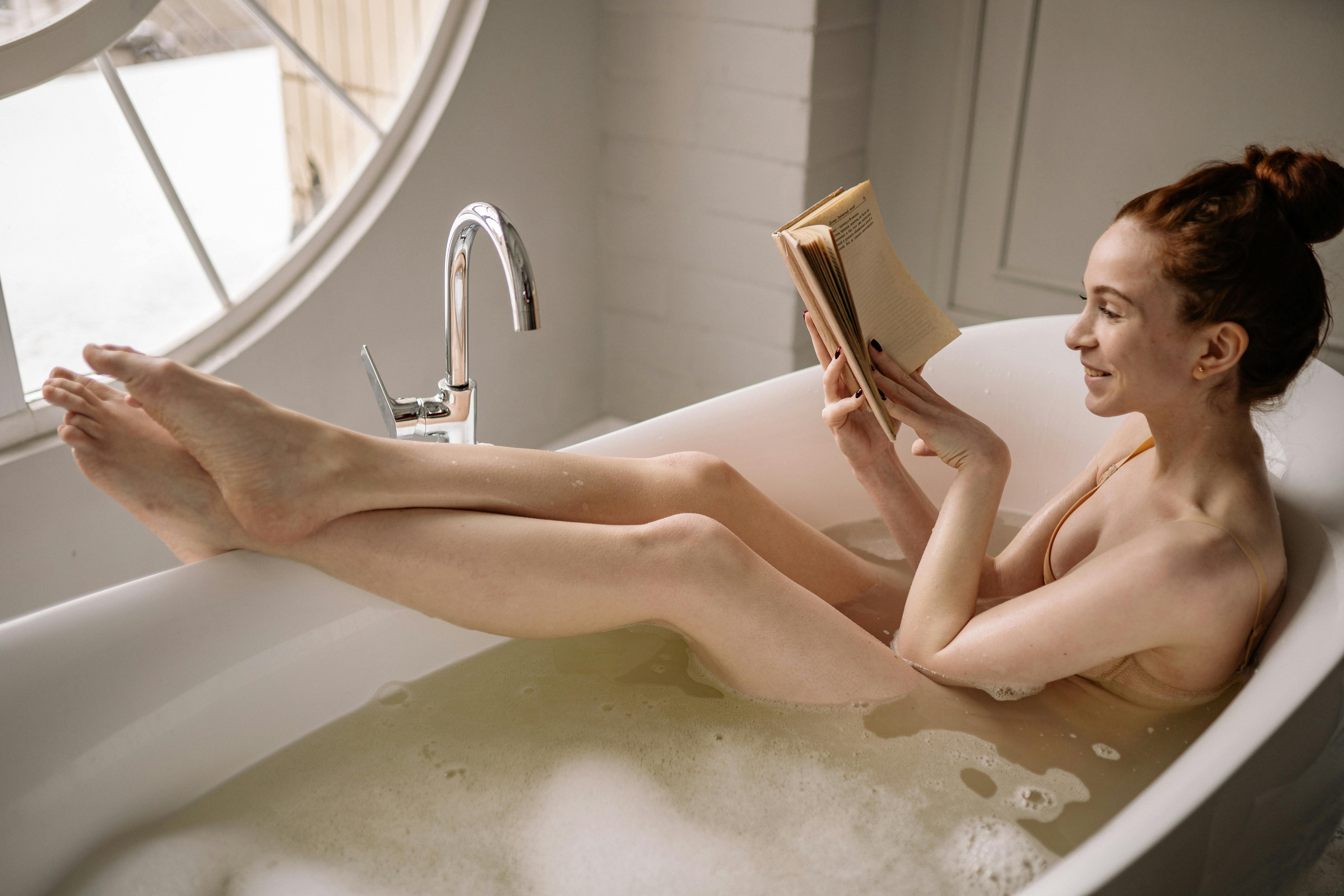
Self-care has become a retail category, and the products sold under it are often genuinely pleasant. The gap that matters is between acquiring a practice and performing one.
The purchase is its own reward
Buying something delivers a small immediate lift tied to anticipation of the improved routine the object represents.
That lift arrives at checkout, before any use, which means the emotional payoff has already been collected when the item arrives.
Unused equipment in American homes is largely explained by this: the purchase completed the transaction psychologically, and the practice was never the point of sale.
Objects promise identity rather than behavior
Wellness marketing sells a version of the buyer — organized, calm, rested — and the product functions as evidence toward that picture.
Identity can be signaled by ownership, which requires nothing further, while the behavior itself requires repetition on days when it is unappealing.
This is why the aesthetic of a routine is easier to adopt than the routine, and why it photographs better.
Cost is a poor proxy for effect
The practices with the most support behind them — sleep, movement, contact with other people, time outdoors — are largely free and difficult to package.
Because they cannot be sold, nobody advertises them, so the visible portion of the field is skewed toward whatever has a price attached.
The result is a category where attention tracks marketing budgets rather than evidence, and free practices go unmentioned by default.
Consumption can crowd out the practice
Time and money spent researching, comparing and acquiring is time not spent doing, and the research feels productive while it is happening.
The feeling of progress it supplies reduces the pressure that would otherwise push toward starting.
Someone who has read extensively about sleep and sleeps badly is in a common and specific position, and more reading does not resolve it.
What purchases genuinely help with
Objects that lower friction for something already being attempted — a comfortable chair for a practice you do, shoes for walks you take — earn their place.
The test is whether the behavior exists first, since a purchase supports a practice reasonably well and initiates one poorly.
Where distress is persistent, no product substitutes for a licensed professional, and buying more of them tends to delay the appointment.